In the rapidly evolving world of logistics, material science is rewriting the rules of cargo handling efficiency. As the global logistics industry shifts toward digitalization, electrification, and lightweighting, the choice of materials for critical components like tail lifts has never been more strategic
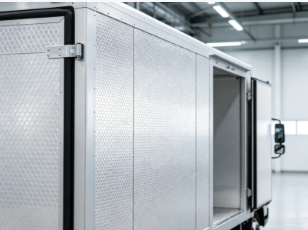
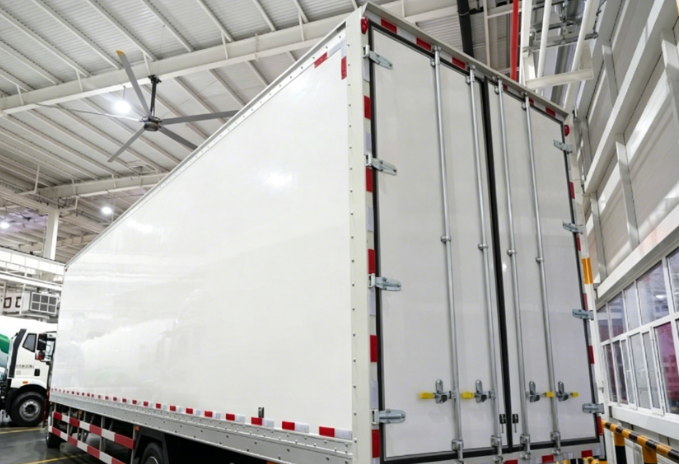
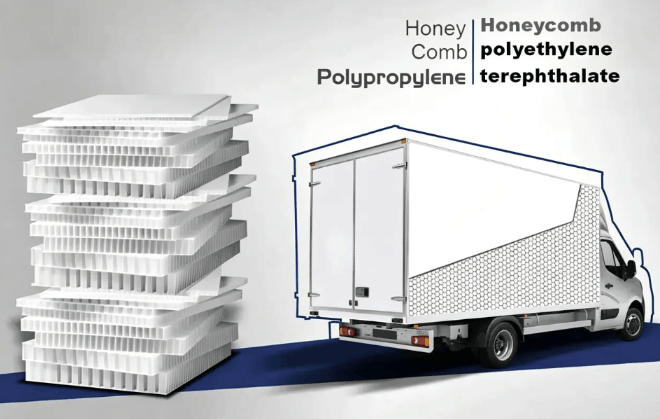
The transportation industry demands equipment that can withstand harsh operating conditions while maintaining cargo safety, reducing operational costs, and improving delivery efficiency. Traditional truck bodies often struggle with insulation performance, structural durability, and weight limitations, leading to increased fuel consumption and cargo damage risks
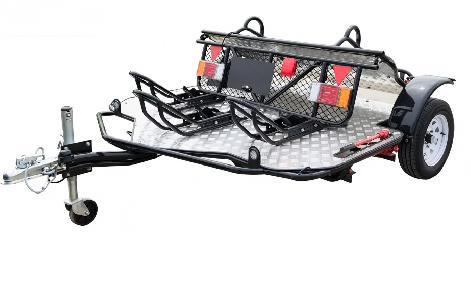
As cross-border trade in utility and hydraulic trailers surges between China and North America, one of the most commonly cited technical pain points for importers and fleet operators is electrical system compatibility between Chinese-built trailers and U.S. towing vehicles
According to data from the All-China Federation of Industry and Commerce Chamber of Commerce for Automobile and Motorcycle Parts & Accessories, China’s auto parts exports reached $59.051 billion in 2025, a year-on-year increase of 4.07%
According to 2026 U.S. DMV commercial trailer registration statistics, 62% of imported commercial hydraulic trailers fail the first registration inspection, resulting in an average loss of over $5,000 per order for importers
PU Core Dry Truck Bodies are revolutionizing the logistics and transportation sector by offering superior durability, lightweight design, and improved insulation properties. This article delves into the materials, benefits, installation, maintenance, and frequently asked questions regarding PU Core Dry Truck Bodies, providing insights for fleet managers, manufacturers, and logistics professionals seeking optimal solutions.
We use cookies to offer you a better browsing experience, analyze site traffic and personalize content. By using this site, you agree to our use of cookies.Privacy Policy