Whatsapp
In the rapidly evolving world of logistics, material science is rewriting the rules of cargo handling efficiency. As the global logistics industry shifts toward digitalization, electrification, and lightweighting, the choice of materials for critical components like tail lifts has never been more strategic. Three contenders are currently dominating the conversation: Smart Composite Panels, High-Strength Steel (HSS), and Aluminum Alloy.
To assist fleet operators and logistics managers in making data-driven decisions, we have compiled a comprehensive technical comparison across four critical dimensions: load capacity, weight savings, environmental resilience, and intelligent capabilities.
The following comparison chart summarizes the core properties of each material type:
| Comparison Dimension | Smart Composite Panels | High-Strength Steel (HSS) | Aluminum Alloy |
|---|---|---|---|
| Core Definition | A functional composite material embedded with IoT sensors and strain gauges. | Alloy steel with enhanced yield strength via thermal/mechanical treatment. | Lightweight metal panel based on aluminum with magnesium/silicon additives. |
| Weight Performance | Medium (depends on base substrate). | ||
| Strength & Load Capacity | Very High (real-time overload monitoring and fatigue prediction). | High (below HSS; suitable for standard load cycles). | |
| Corrosion Resistance | Good (depends on surface coating integrity). | Average (requires painting or e-coating; prone to rust if scratched). | Excellent (natural oxide layer; ideal for humid/cold chain environments). |
| Intelligence Level | Core Differentiator (data acquisition, predictive maintenance, remote diagnostics). | None (passive structural component). | None (passive structural component). |
| Repairability | Complex (requires software/firmware expertise and calibration). | Simple (conventional welding, cutting, and grinding). | Moderate (requires TIG welding and anti-warping techniques). |
| Lifecycle Cost | Low (reduces unplanned downtime and accident risks). | Higher (added fuel/electricity cost due to weight, plus anti-rust maintenance). | Low (fuel savings from light weight, plus high scrap value at end of life). |
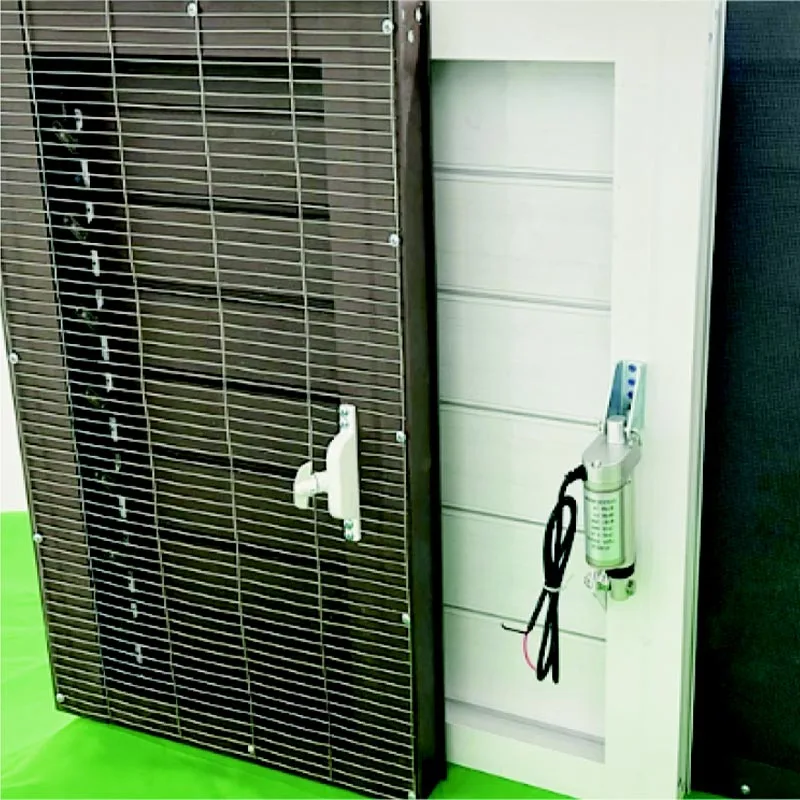
Technical Insight: A smart panel is not merely a structural material; it is an integrated sensing system. By embedding strain gauges, accelerometers, and wireless transmitters into a high-strength composite carrier, the panel continuously measures live load distribution, shock events, and cumulative fatigue cycles.
Operational Advantages: This data feeds directly into telematics platforms, enabling:
• Overload prevention: Real-time alerts when approaching safe working load limits.
• Predictive maintenance: Algorithms flag micro-cracks or sensor drift before failure occurs.
• Driver coaching: Identify rough handling events that accelerate wear.
Ideal Applications: Digitally managed fleets, high-value cargo (electronics, pharmaceuticals), and any operation with strict safety compliance requirements. The technology aligns with the trend toward “smart logistics” and asset-as-a-service models.
Technical Insight: Through micro-alloying (adding niobium, vanadium, or titanium) and controlled rolling/cooling processes, HSS achieves a yield strength 2-3 times that of conventional carbon steel while maintaining good weldability and ductility. For the same load rating, HSS plates can be up to 30% thinner than standard steel.
Operational Advantages:
• Superior impact resistance: Withstands severe physical abuse from forklifts, dropping heavy goods, and debris strikes.
• High redundancy: Excellent for unpredictable, harsh environments where overloading may occur.
• Easy field repair: Any workshop with a standard welder can perform repairs.
Ideal Applications: Heavy machinery transport (over 3 tons per axle), construction material handling, mining support vehicles, and waste collection bodies – anywhere that collision or gouging is a routine risk.
3. Aluminum Alloy: The Fuel-Efficiency Champion
Technical Insight: With a density roughly one-third that of steel, every kilogram of aluminum substituted for steel yields exponential fuel or energy savings over a vehicle’s lifetime. The natural oxide layer makes it self-passivating in wet or salty environments.
Ideal Applications: Last-mile delivery, refrigerated (cold chain) transport (resists saltwater from melted ice), food-grade tankers, and electric vehicles (EVs) where every kilogram directly reduces battery drain. Typically used for standard loads under 3 tons.
The optimal choice depends entirely on operational profile and business priorities:
| If your priority is... | Recommended material | Rationale |
| Fleet digitalization & safety compliance | Smart Composite Panels | Only option that provides real-time load data and predictive failure alerts. |
| Hauling heavy machinery (>3 tons) in rough yards | High-Strength Steel | Unmatched impact resistance and field-repairability under abusive conditions. |
| City delivery, cold chain, or EV efficiency | Aluminum Alloy | Maximizes fuel/energy savings and eliminates corrosion maintenance. |
| Mixed fleet with varying loads | Hybrid approach (smart sensors on aluminum or steel base) | Future trend: adding smart monitoring to traditional lightweight or high-strength substrates. |