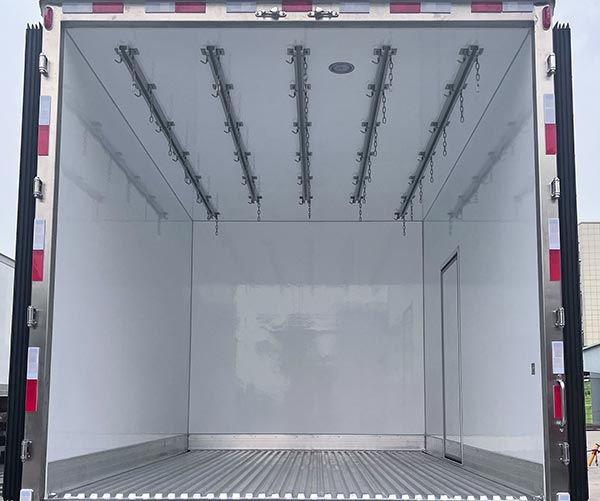
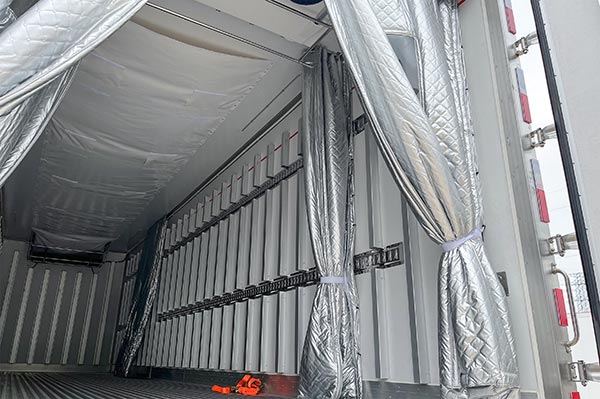
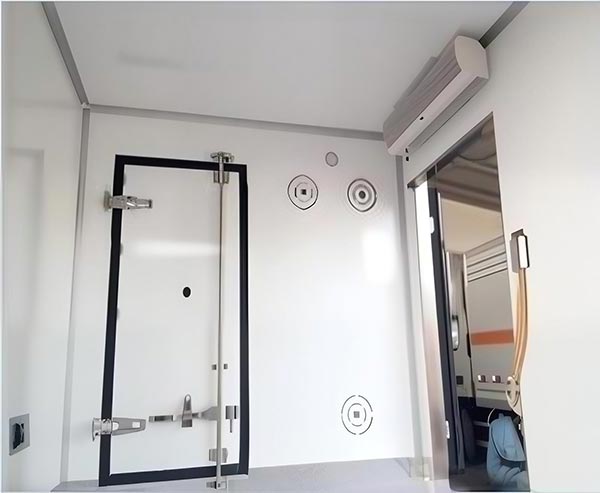
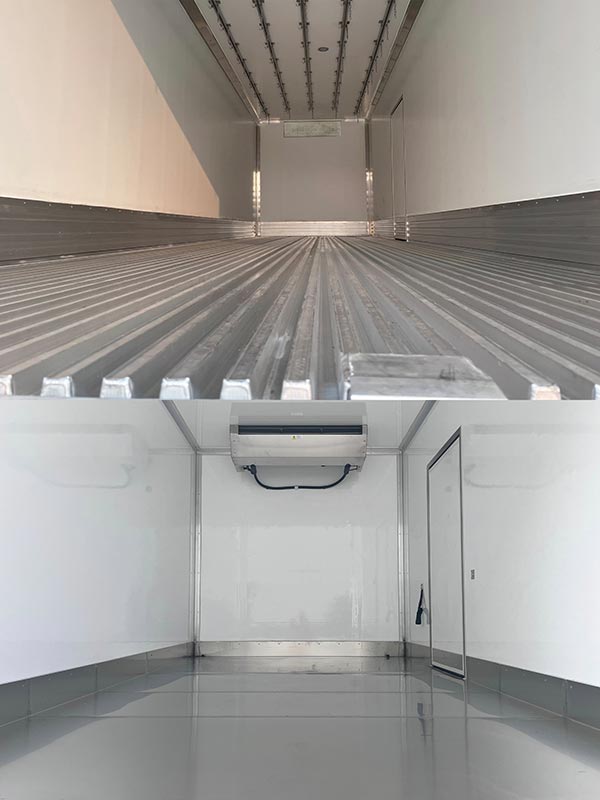
Which insulation materials do we use?
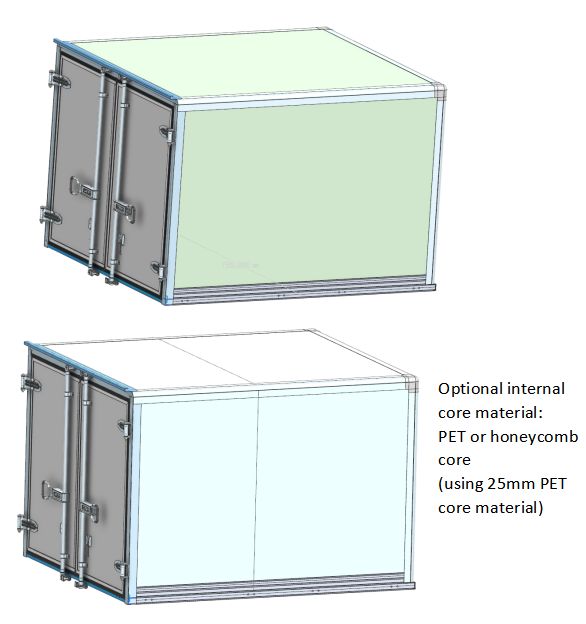
We use two industry-leading insulation systems to meet the demands of North American cold chain operations:
Polyurethane (PU) Insulation(Better heat preservation performance)
● Performance: Closed-cell foam with ultra-low thermal conductivity (≤0.022 W/m·K), delivering exceptional thermal efficiency.
● Structure: Fully injected, seamless foam core for consistent insulation and airtightness.
● Benefits: Superior temperature retention, faster pre-cooling, and reduced energy consumption for refrigeration units.
XPS (Extruded Polystyrene) Insulation(More economically)
● Performance: Rigid, closed-cell foam with high compressive strength and excellent moisture resistance.
● Structure: Panelized construction with precision-cut, interlocking panels.
● Benefits: Ideal for heavy-duty applications, resistant to water absorption, and maintains insulation integrity in high-humidity environments.
How to Choose the Right Insulation Material?
|
Scenario
|
Recommended Material
|
Key Reason
|
|
Long-haul frozen transport
|
PU Insulation
|
Maximum thermal efficiency to minimize fuel use and maintain deep freeze.
|
|
Regional fresh produce delivery
|
XPS Insulation
|
Durable, moisture-resistant, and cost-effective for frequent loading/unloading.
|
|
Multi-temp applications
|
PU Insulation
|
Superior air sealing to prevent cross-contamination of temperature zones.
|
|
Coastal or high-humidity routes
|
XPS Insulation
|
Resists water absorption, preventing insulation degradation.
|
How is the temperature uniformity performance of our refrigerated body?
Temperature uniformity is critical for compliance with FDA and FSMA regulations. Our design ensures:
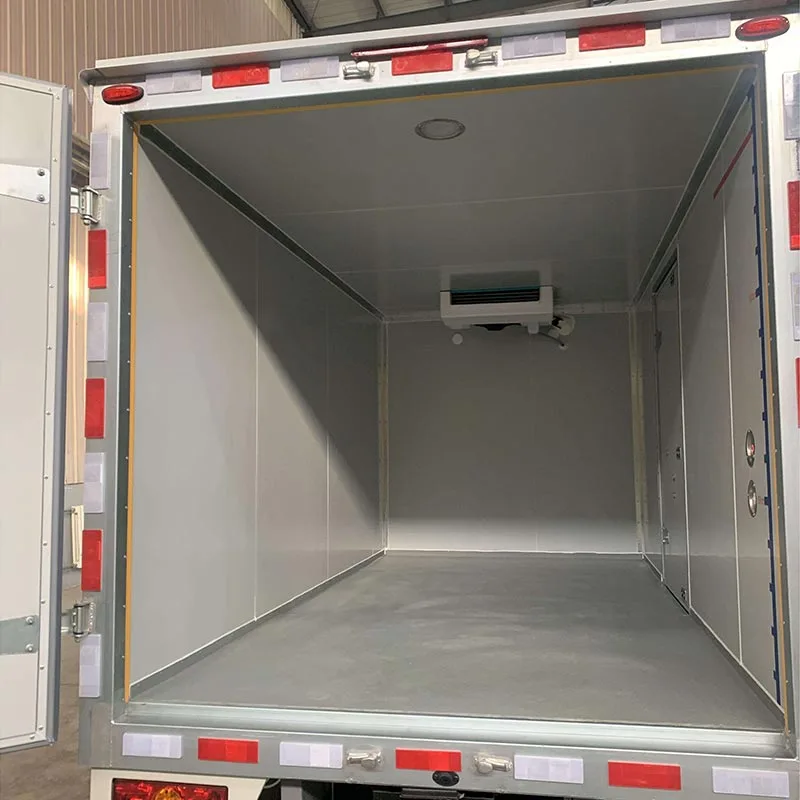
● Optimized Air Duct Systems: Precision-engineered air channels (including our signature air-flow slots) direct cold air evenly throughout the cargo area, eliminating hot spots.
● Airtight Construction: Seamless insulation and heavy-duty door seals prevent cold air leakage, maintaining consistent temperatures from front to rear (±1°C across the entire cargo space).
● Testing & Validation: Every body is tested to verify temperature distribution, ensuring compliance with cold chain standards for food safety and pharmaceutical transport.
What’s our TRU (Transport Refrigeration Unit) Solutions?
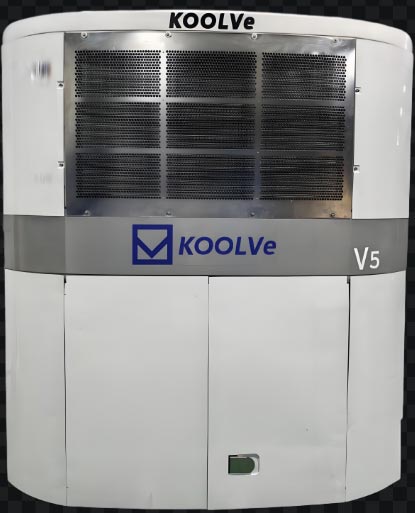
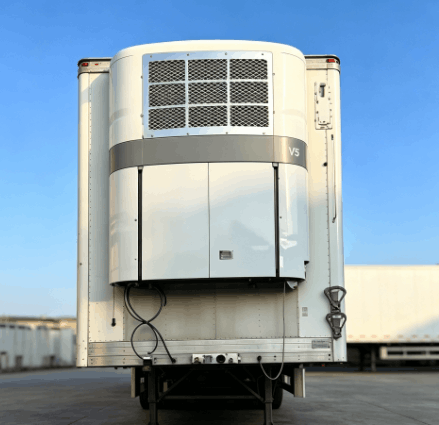
Our refrigerated bodies are engineered to seamlessly integrate with our in-house developed refrigeration units,
co-engineered with industry-leading partners that bring deep technical expertise from Thermo King and Carrier
Transicold. This collaboration ensures our units deliver the proven reliability, precision temperature control, and
energy efficiency that North American cold chain operations demand.
We provide pre-fitted mounting brackets, custom electrical harnesses, and optimized ventilation systems to ensure
seamless installation, peak performance, and full compliance with OEM specifications. For specialized applications, we
also support integration with third-party DC-powered refrigeration solutions designed for electric truck platforms.
Why Can Our Refrigeration Body Achieve Lightweight Structure?
Our ability to achieve exceptional lightweight design without compromising strength, insulation performance, or
durability stems from three core engineering strategies:
- High-Strength, Low-Weight Material Selection: We prioritize advanced materials that balance durability and weight
reduction, including aluminum subframes (instead of traditional steel), fiberglass exterior panels, and engineered
plastic components. This material mix reduces overall body weight by up to 15% compared to conventional steel-framed
refrigerated bodies, while maintaining resistance to road salt, corrosion, and heavy-duty use.
- Optimized Structural Engineering: Our R&D team uses computer-aided design (CAD) and finite element analysis (FEA) to
create lattice-style aluminum framing, which minimizes material usage while reinforcing critical load-bearing areas.
This precision engineering ensures the body can withstand forklift traffic, heavy cargo, and frequent loading/unloading
without adding unnecessary weight.
- Integrated Insulation & Structural Efficiency: We integrate our high-performance PU/XPS insulation directly into the
body structure, eliminating redundant layers that add weight. The seamless foam injection (for PU insulation) and
precision-cut interlocking panels (for XPS insulation) not only enhance thermal efficiency but also reduce the need for
extra structural supports—creating a lighter, more aerodynamic design that aligns with fuel efficiency goals.
For van-based refrigerated units, we offer Structural Support for Cargo Van upgrades to reinforce chassis and body
stability.
Why can our aerodynamic design achieve fuel efficiency?
Our aerodynamic design achieves significant fuel savings by minimizing air resistance (drag)—a major factor in a
truck’s fuel consumption (accounting for 30–40% of fuel use at highway speeds).Here’s how we deliver this:
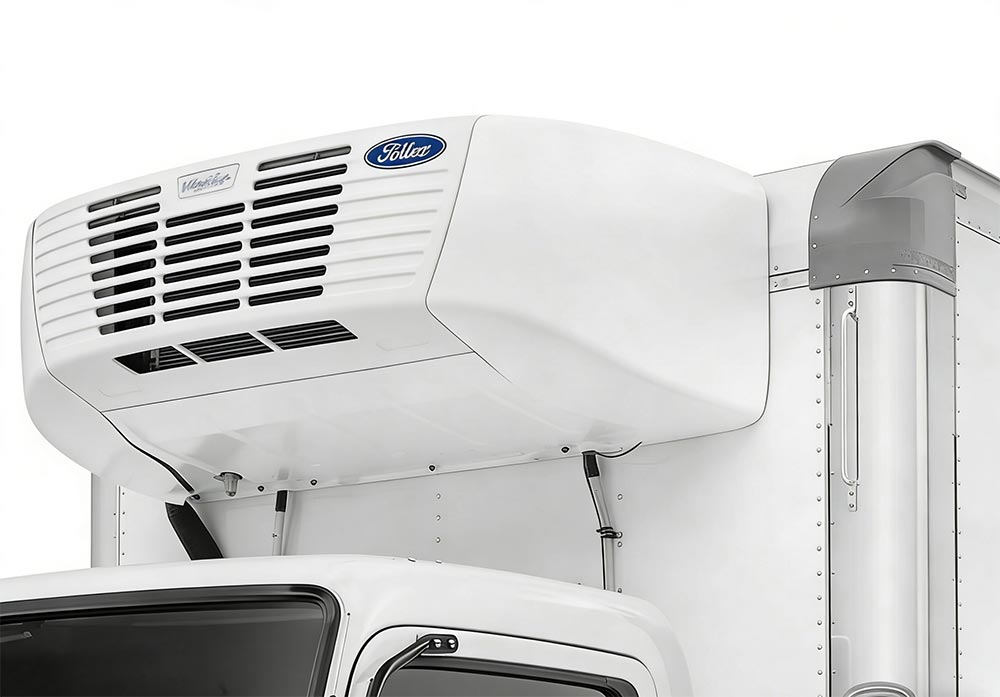
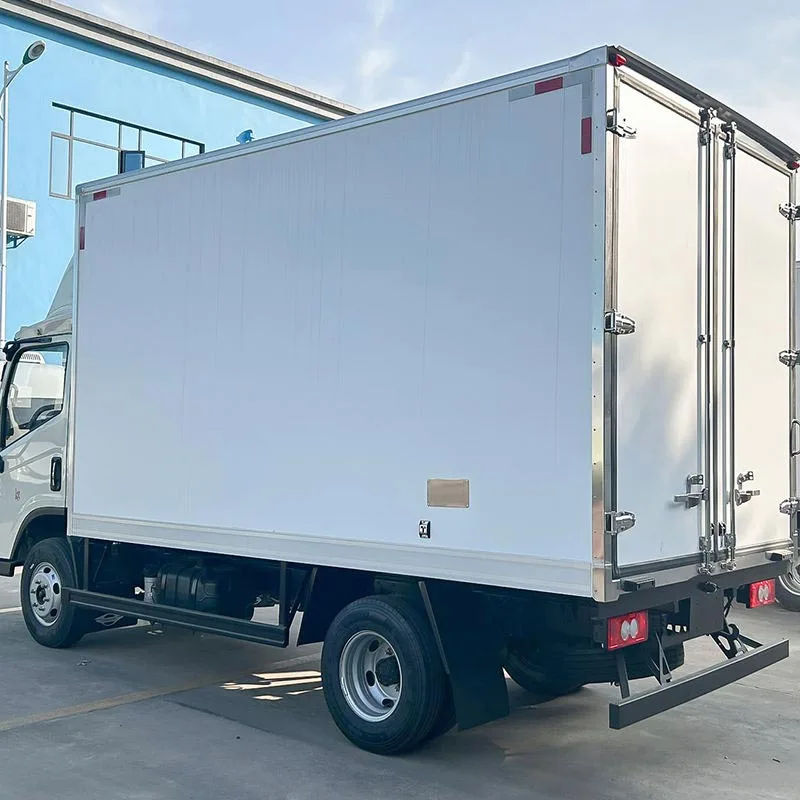
- Streamlined Front-End Design: We design the front cap of the refrigerated body with rounded edges and a
contoured shape, rather than sharp, flat surfaces. This reduces “frontal drag” by allowing air to flow smoothly over
the body, instead of creating turbulence (which forces the engine to work harder and burn more fuel). This is
critical for long-haul fleets traveling at highway speeds (65–75 mph), where drag has the biggest impact on fuel
efficiency.
- Integrated Lightweight & Aerodynamic Synergy: Our aerodynamic design works in tandem with our lightweight body
structure to maximize fuel savings. A lighter body reduces the engine’s workload, while the aerodynamic shape
minimizes drag—creating a “double efficiency” effect. For example, a lightweight, aerodynamic refrigerated body can
reduce fuel consumption by 10–15% compared to a heavy, non-aerodynamic design
What'a Floor Strength?
● Standard Rating: 2,000 kg/m² (408 lbs/ft²) uniformly distributed load capacity.
● Forklift Compatible: Reinforced steel cross-members and anti-slip surfaces support full-size forklift access for efficient loading and unloading.
● Options: Available with aluminum T-slot flooring for secure cargo tie-downs and easy cleaning.
For high-frequency delivery and pallet handling, we recommend our liftgate bundle for safer, faster loading and
unloading.
What’s our refrigerated body Compatibility?
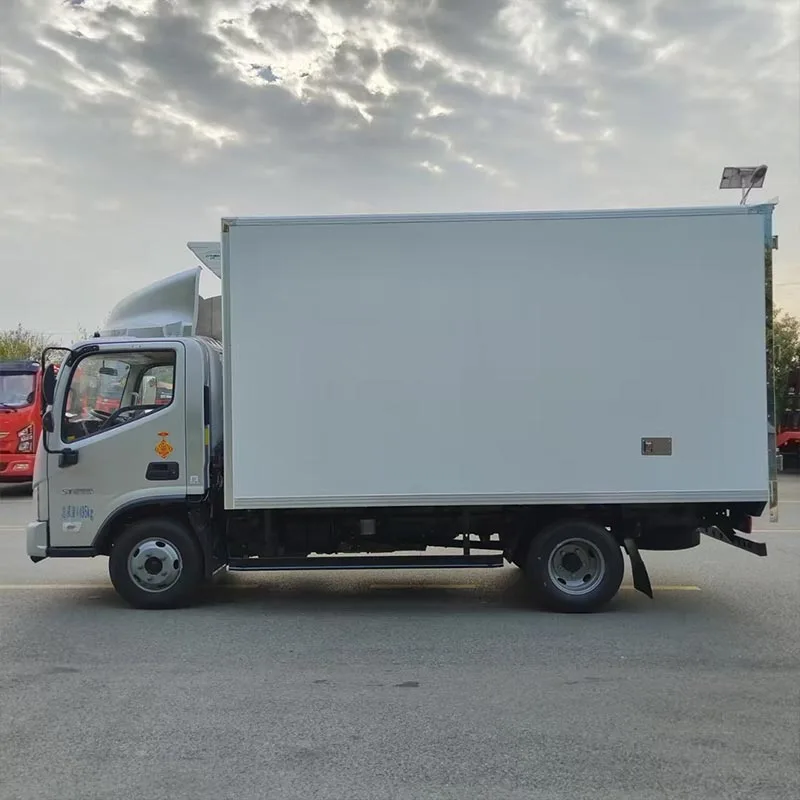
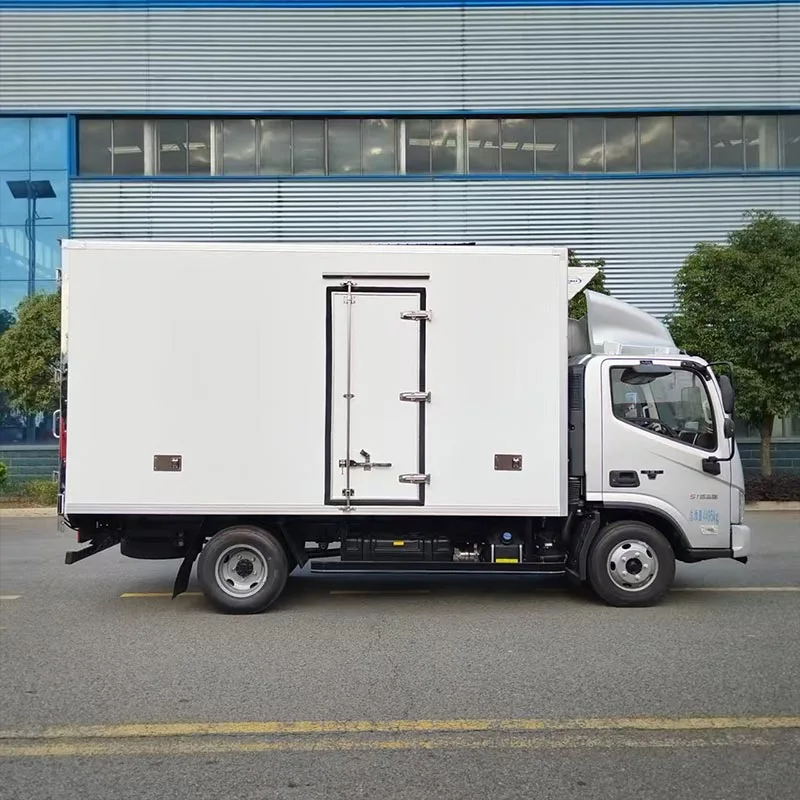
Our refrigerated bodies are designed to fit a wide range of light and medium-duty trucks, with a focus on models under 8
meters (26 feet):
● Light-Duty: Isuzu NPR/NQR, Ford F-Series, Ram ProMaster, Mercedes-Benz Sprinter.
● Medium-Duty: Freightliner M2, Kenworth T270/T370, Peterbilt 330/337.
● Custom Fit: We provide chassis-specific mounting kits and compliance with OEM warranty requirements.
How to Choose the Right Size Refrigerated Body
1.Cargo Volume: Calculate the total volume of your typical shipments (pallets, crates, or loose goods).
2.Vehicle GVWR: Ensure the body weight plus cargo does not exceed the chassis' Gross Vehicle Weight Rating.
3.Maneuverability: For urban delivery, prioritize compact sizes (10–16 ft) for easier navigation. For long-haul, maximize length (18–26 ft) for efficiency.
4.Regulations: Comply with local and state length and weight restrictions for commercial vehicles.
Refrigerated Body Maintenance Guide
Regular Inspections
● Weekly: Check door seals, hinges, and latches for wear; inspect insulation for damage.
● Monthly: Test temperature sensors and air circulation fans; clean floor drains and air ducts.
● Quarterly: Have a certified technician inspect the refrigeration unit and electrical systems.
Preventive Care
● Cleaning: Use food-safe cleaners to sanitize the interior after each load, especially for food transport.
● Seal Maintenance: Replace worn door seals immediately to prevent cold air loss.
● Corrosion Protection: Apply undercoating and touch up paint chips to prevent rust.
Why Choose Our Refrigerated Truck Bodies?
● Unmatched Customization: From multi-temp zones to specialty applications, we build bodies that fit your exact business needs.
● Proven Performance: Lightweight, aerodynamic, and durable, our bodies deliver lower operating costs and higher residual value for your fleet.
● End-to-End Support: From design and manufacturing to maintenance and resale, we provide comprehensive support to keep your cold chain moving.
All bodies are fully compatible with Cargo Securement for Truck Trailer systems to meet DOT safety requirements.



 Whatsapp