Whatsapp
The suspension system is the critical link between a trailer’s axle and frame, directly defining its load capacity, ride smoothness, handling stability, and service life. Drawing on authoritative technical resources from leading North American trailer industry experts including Canadian Axle, Millennium Trailers, and Weigh Safe, this article systematically analyzes mainstream trailer suspension types, compares their core advantages and disadvantages, and provides data-driven guidance for customers to make informed purchasing decisions.
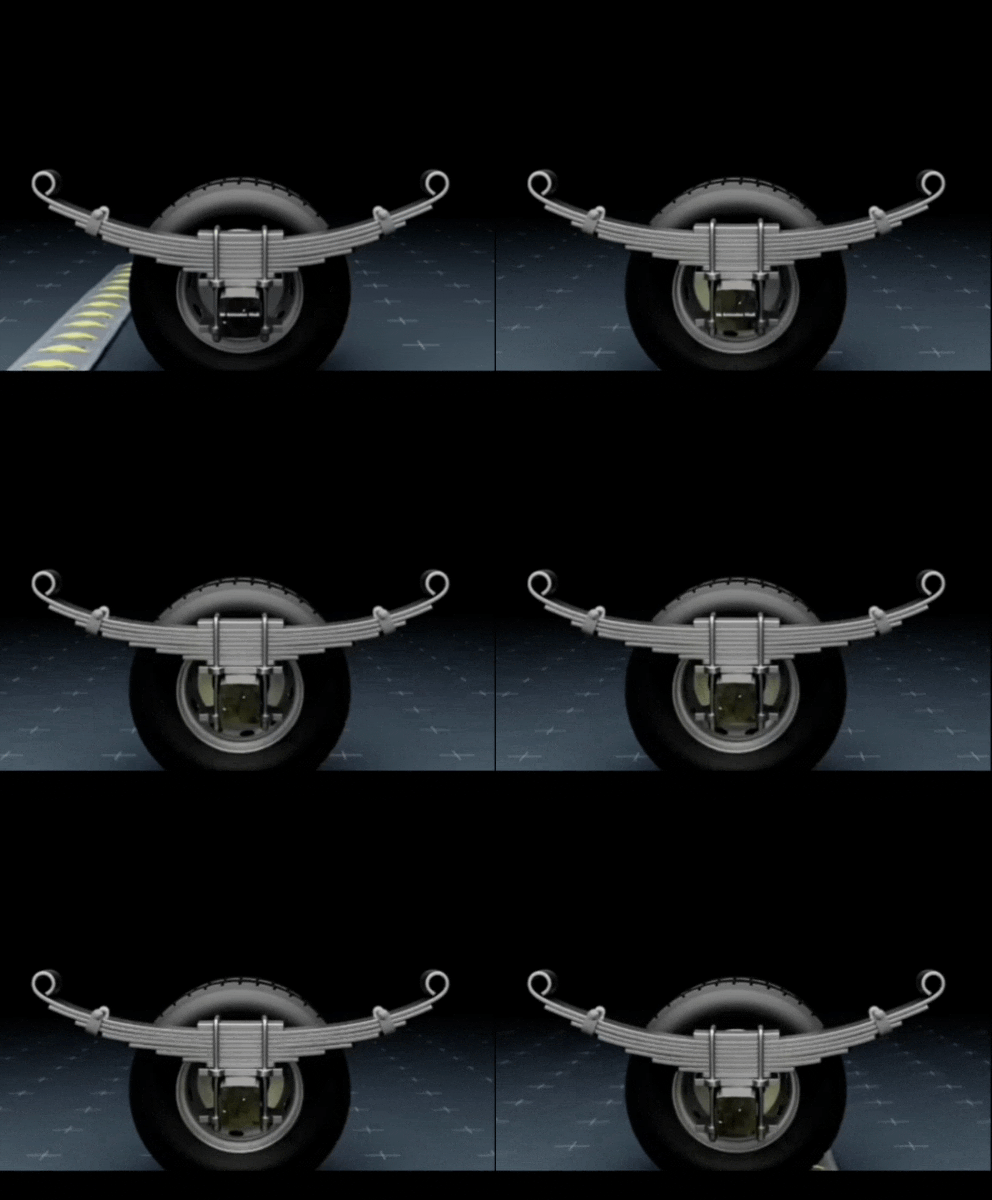
Composed of multiple layers of hardened steel plates stacked together, connected to the trailer frame and axle via shackles and brackets. It achieves shock absorption and load support through the elastic deformation of steel plates.
· Exceptional Load Capacity: Distributes weight evenly, ideal for heavy-duty trailers over 3 tons, such as equipment and construction trailers, with outstanding resistance to deformation and vibration.
· Simple Structure & Low Cost: Fewer components, easy to manufacture and repair; individual leaf springs can be replaced without specialized equipment.
· Superior Durability: Adapts to harsh road conditions and heavy-duty use, with a service life exceeding 150,000 km and excellent anti-roll performance.
· Cost-Effective Maintenance: Well-suited for long-term heavy-duty and off-road applications.Key Disadvantages:
· Poor Ride Smoothness: Noticeable bouncing when empty or lightly loaded; high-frequency vibrations risk damaging delicate cargo.
· High Maintenance Frequency: Prone to rust and friction noise; requires regular lubrication and inspection, with reduced lifespan in coastal/humid environments.
· Large Space Occupation: Bulky design reduces ground clearance, limiting off-road capability.
· Average Handling: Non-independent suspension causes cross-wheel interference, compromising high-speed and cornering stability.
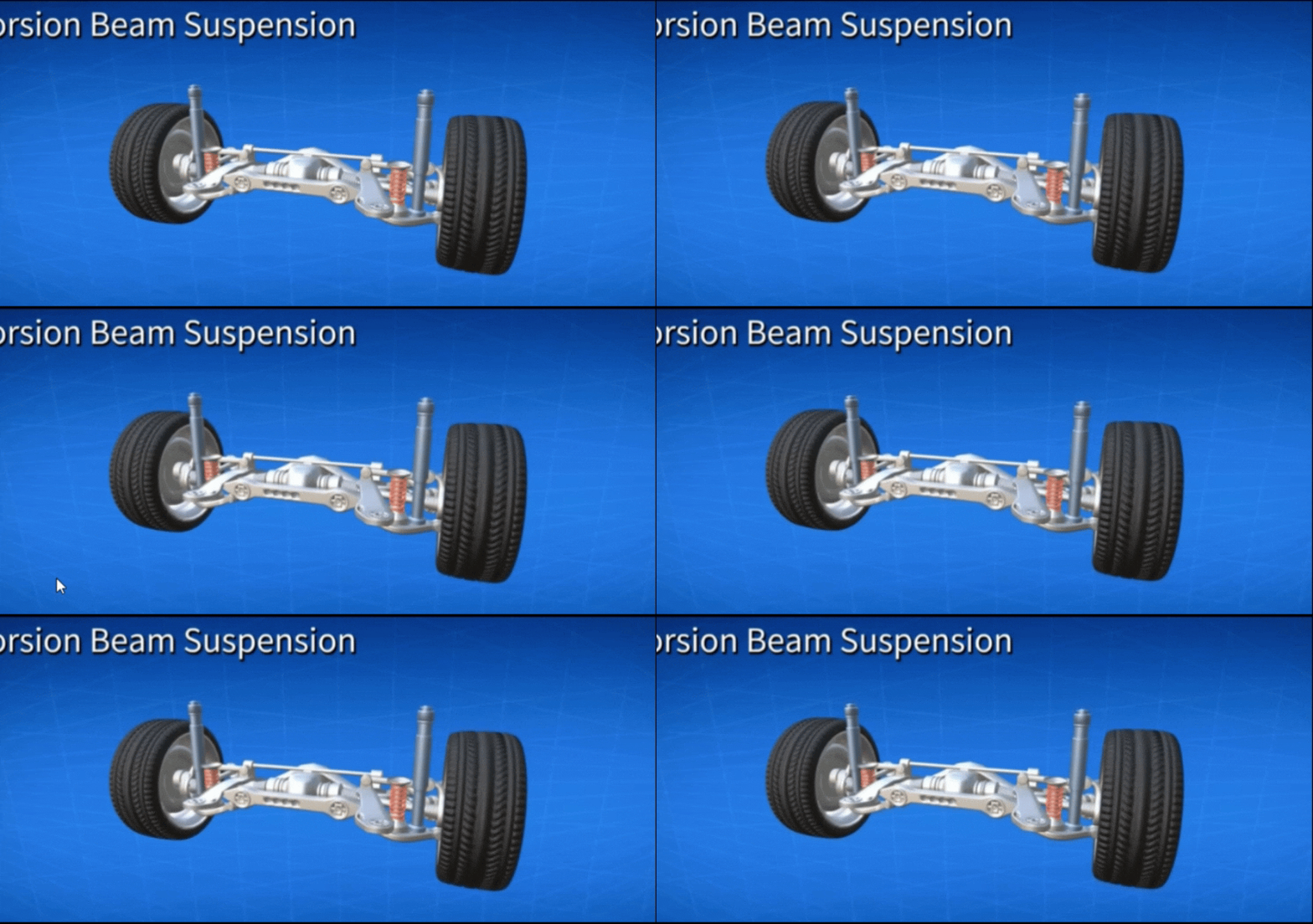
Features a metal tube housing rubber cords; wheels connect via swing arms to the rubber assembly. Independent wheel movement is enabled through torsional deformation of the rubber, with each wheel operating independently.
· Excellent Ride Quality: Rubber components efficiently absorb shocks, ensuring smooth towing whether loaded or empty, reducing cargo damage and chassis wear.
· Independent Suspension Design: Eliminates cross-wheel interference, delivering superior high-speed stability, anti-sway performance, and control.
· Minimal Maintenance: Sealed, enclosed construction with no exposed moving parts; no lubrication required; highly corrosion-resistant for long-term outdoor use.
· High Ground Clearance: Compact design improves off-road capability, ideal for rough terrain.
· Space Efficiency: Clean chassis layout facilitates toolbox and cargo fastening design.Key Disadvantages:
· Limited Load Capacity: Optimized for 1–3 ton light-to-medium trailers; deformation and shortened lifespan occur under heavy loads.
· Higher Upfront Cost: Precision manufacturing results in a 20–30% price premium over leaf springs.
· Complex Repairs: Sealed components require full axle replacement if damaged; no modular repair options, increasing service costs.
Best For: Light freight trailers, RVs, boat trailers, precision equipment haulers, and off-road trailers.
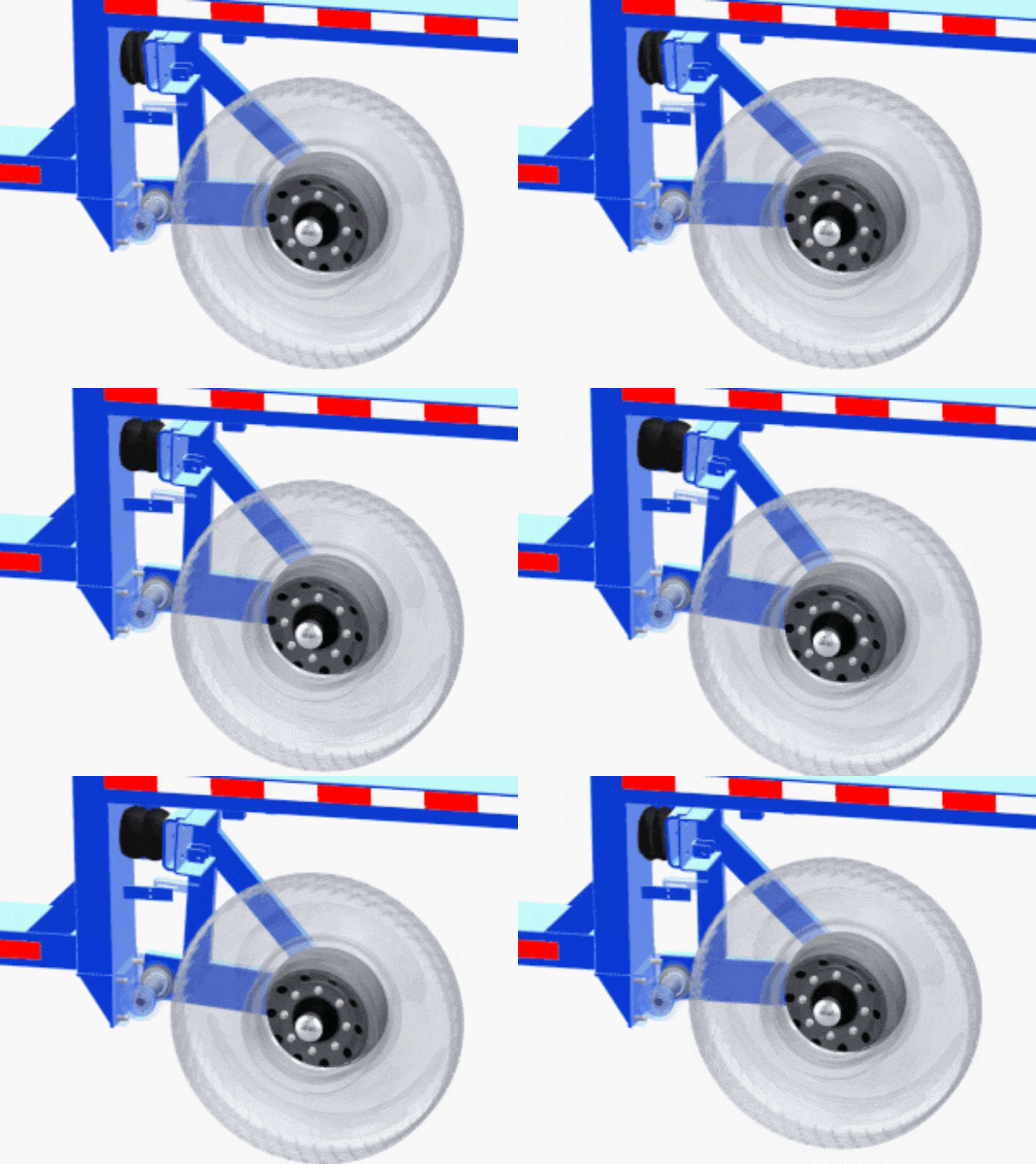
Replaces steel/rubber springs with inflatable rubber bladders; paired with an air compressor and height control valve to adjust pressure dynamically and support the frame and axle.Key Advantages:
· Unmatched Shock Absorption: Extremely low natural frequency filters over 80% of road vibration, providing superior protection for precision instruments and fragile goods.
· Auto-Leveling Capability: Automatically adjusts air pressure to maintain a level ride height, stabilizing the center of gravity for safer cornering and evasive maneuvers.
· Adjustable Load Capacity: Accommodates varying payloads while retaining smoothness; suitable for heavy-duty applications requiring comfort.
· Reduced Wear: Minimal vibration extends the life of the frame, tires, and braking system, lowering long-term maintenance costs.Key Disadvantages:
· Very High Cost: Complex system including bladders, compressor, and controls costs 2–3 times that of leaf springs.
· Demanding Maintenance: Requires regular pressure and seal inspections; troubleshooting is complex and relies on specialized tools.
· Dependence on Air Supply: Requires on-board or external power; risk of leaks in extreme conditions.
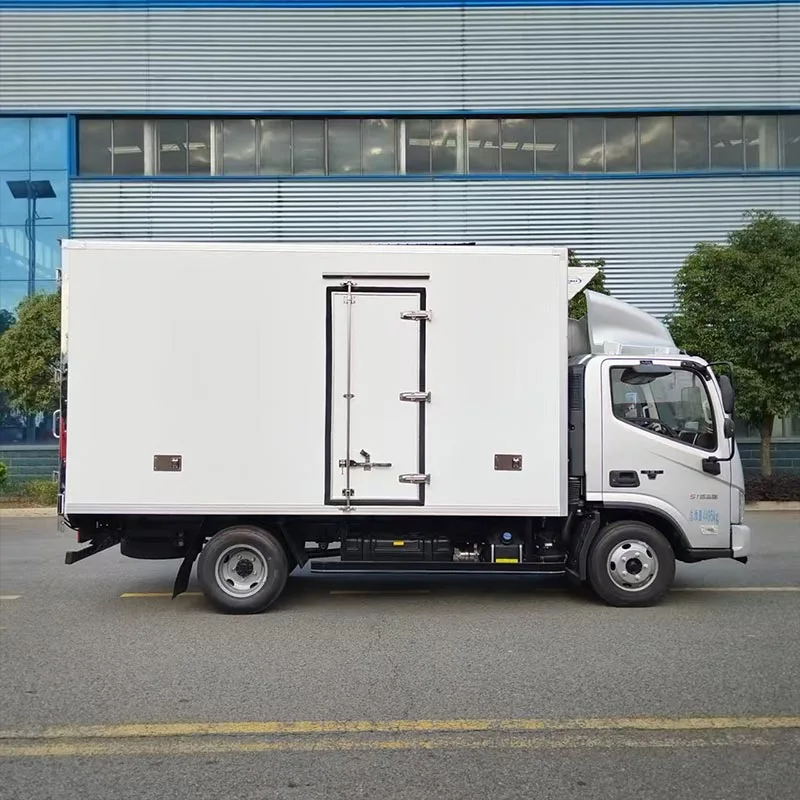
Best For: High-end precision equipment trailers, temperature-sensitive freight (reefer), luxury RVs, and applications where cargo protection is critical.
o Over 3 tons: Choose leaf spring for heavy-duty stability and durability.
o 1–3 tons: Torsion axle is optimal, balancing comfort, capacity, and low maintenance.
o Under 1 ton: Trailing arm offers economy and space efficiency.
o Delicate cargo: Prioritize air suspension regardless of weight to minimize damage.
o Off-road/rough terrain: Torsion axle for high clearance and independent damping.
o Paved/highway: Torsion or trailing arm for comfort and efficiency.
o Coastal/humid environments: Torsion axle for sealed, corrosion-resistant design.
o Budget-conscious: Leaf spring or trailing arm.
o Mid-range: Torsion axle delivers the best overall value.
o Premium: Air suspension for long-term savings in cargo protection and reduced wear.