News

What is the best material for the refrigerated compartment body?

2026-03-03 0 Leave me a message

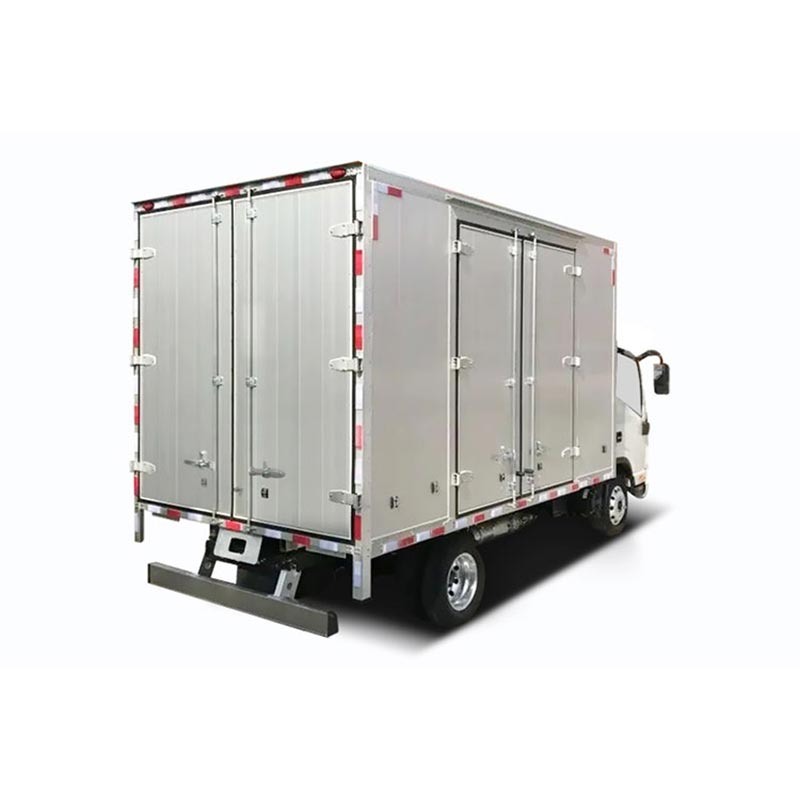
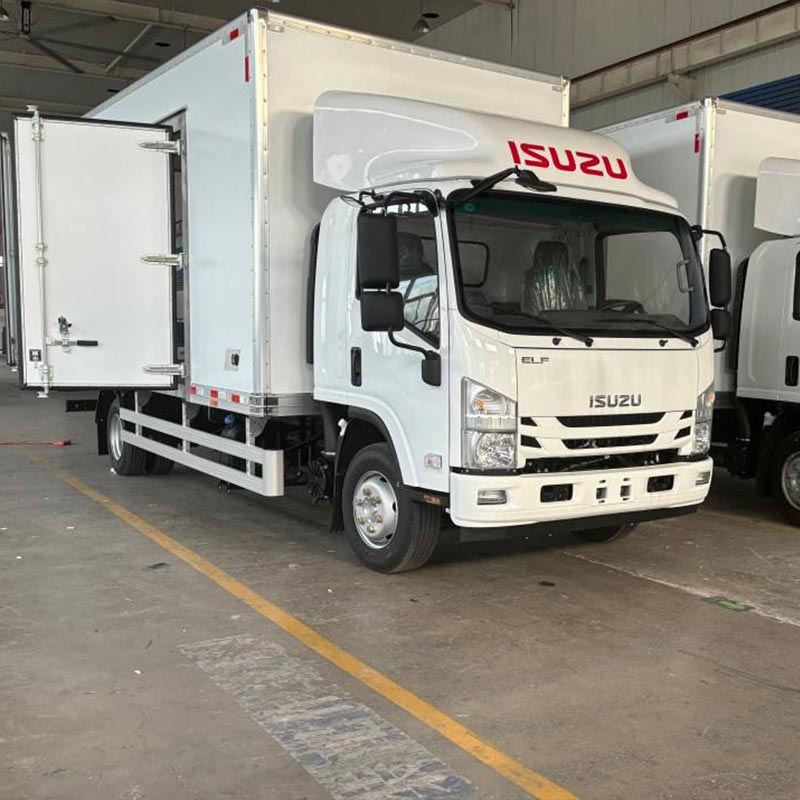
The material selection for the refrigerated compartment body should take into account factors such as insulation performance, structural strength, corrosion resistance, weight, and cost. Based on the latest and authoritative public information available in 2026, the comprehensive recommendations are as follows:

Mainstream recommended material combinations

Internal and external skin (panel):

Fiberglass plate: the most commonly used and effective, with advantages such as non light absorption, good insulation, strong hardness, oxidation resistance, corrosion resistance, and easy cleaning, suitable for most refrigerated transportation scenarios.

Stainless steel plate: suitable for goods with high hygiene requirements or easy to corrode during transportation (such as seafood and chemicals), with high strength and strong corrosion resistance, but at a higher cost.

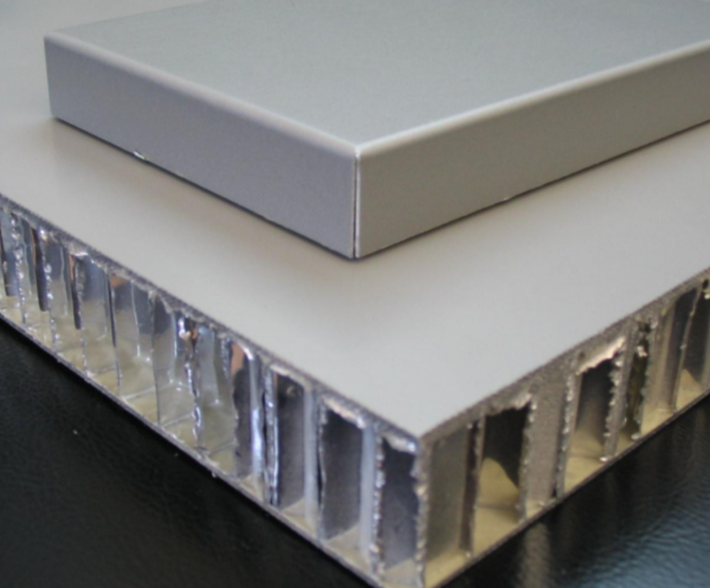
Aluminum plate: With obvious lightweight advantages, it helps reduce the overall energy consumption of the vehicle, has good corrosion resistance, and is suitable for micro refrigerated trucks.

Color steel plate: Low price, but prone to "cold bridges", poor insulation effect, not recommended for transportation with high temperature requirements.

Insulation material (sandwich layer):

Polyurethane (PUR/PIR): It has the best insulation performance, low thermal conductivity (usually ≤ 0.045 W/(m · K)), high strength, wear resistance, and good adhesion, and is currently the mainstream choice.

Extruded polystyrene board (XPS): an emerging material with better insulation effect than ordinary polystyrene board, good flatness, moderate cost, and has been adopted by some manufacturers.

Polystyrene foam (EPS): low cost, but poor heat preservation and airtightness. It is mainly used for the transportation of vegetables and fruits with low temperature requirements, and is not recommended for frozen products.

Skeleton material:

Wooden skeleton: commonly used for "broken bridge" insulation, reducing cold bridges, lightweight and has a certain degree of elasticity.

Steel pipe skeleton (such as galvanized manganese steel): provides high-strength support and is often used in combination with wooden skeleton.


Recommended structural form

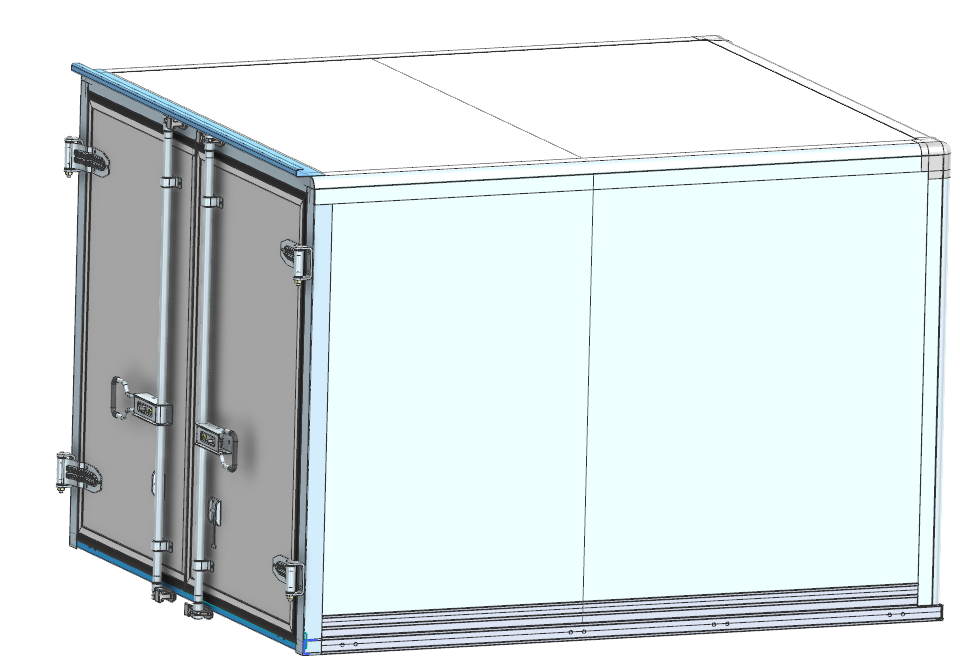
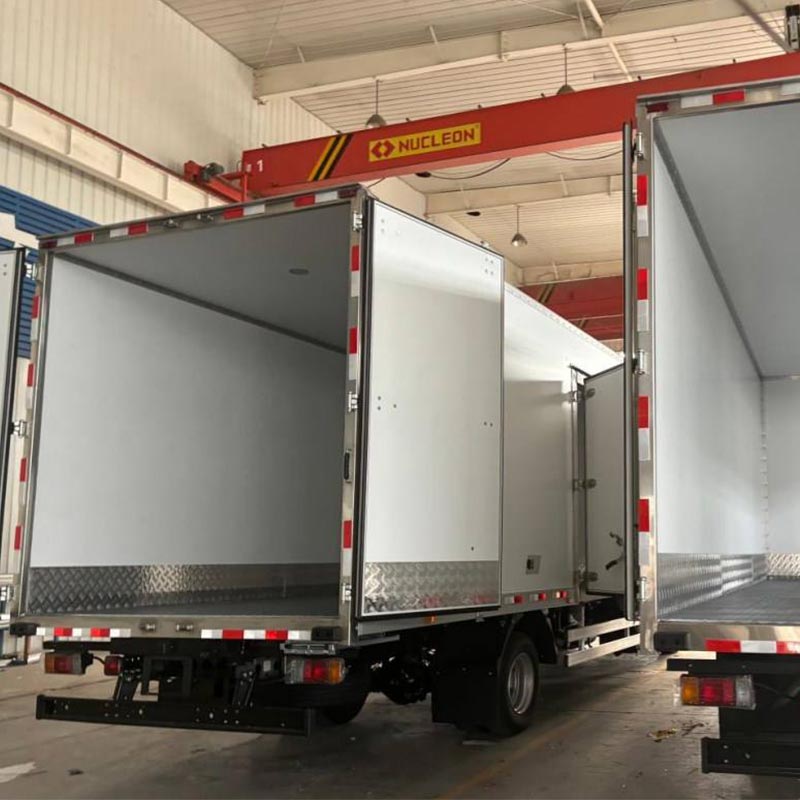
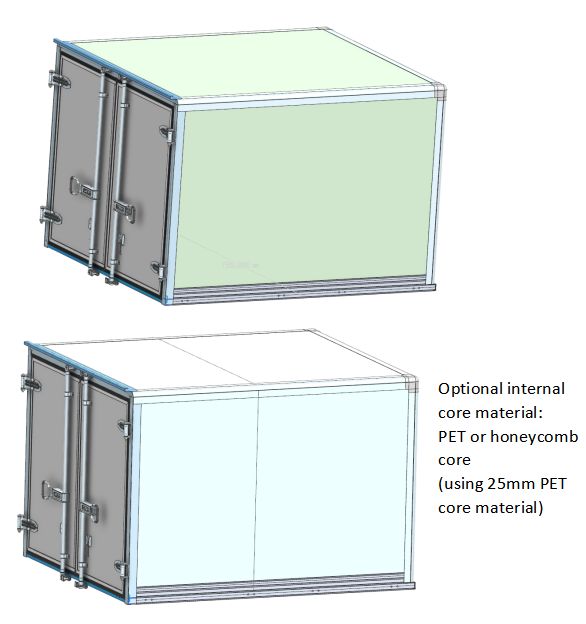
Sandwich sandwich panel structure: inner and outer fiberglass reinforced plastic+middle polyurethane foam layer, formed through integral foaming or panel bonding process, with the best insulation and sealing properties.

Thickness suggestion: The insulation layer is generally around 80mm, which can be customized according to actual needs (50-120mm), but excessive thickness will reduce loading space.

Special scenario supplement

Transporting fresh meat: It is recommended to use stainless steel inner plates and meat hooks, and strengthen top insulation.

Multi temperature layer delivery: Customization of multi door and partitioned insulation structure is required.

New energy refrigerated trucks: Lightweight materials such as aluminum plates and polyurethane can be prioritized to reduce energy consumption.

In summary, the combination of fiberglass reinforced plastic and polyurethane is currently the optimal mainstream combination for refrigerated compartment bodies, balancing performance and cost. If the budget is sufficient or there are special requirements (such as anti-corrosion, lightweight), stainless steel or aluminum plate with XPS insulation layer can be considered.


Related News
Leave me a message
X
We use cookies to offer you a better browsing experience, analyze site traffic and personalize content. By using this site, you agree to our use of cookies. Privacy Policy
Reject Accept