Whatsapp
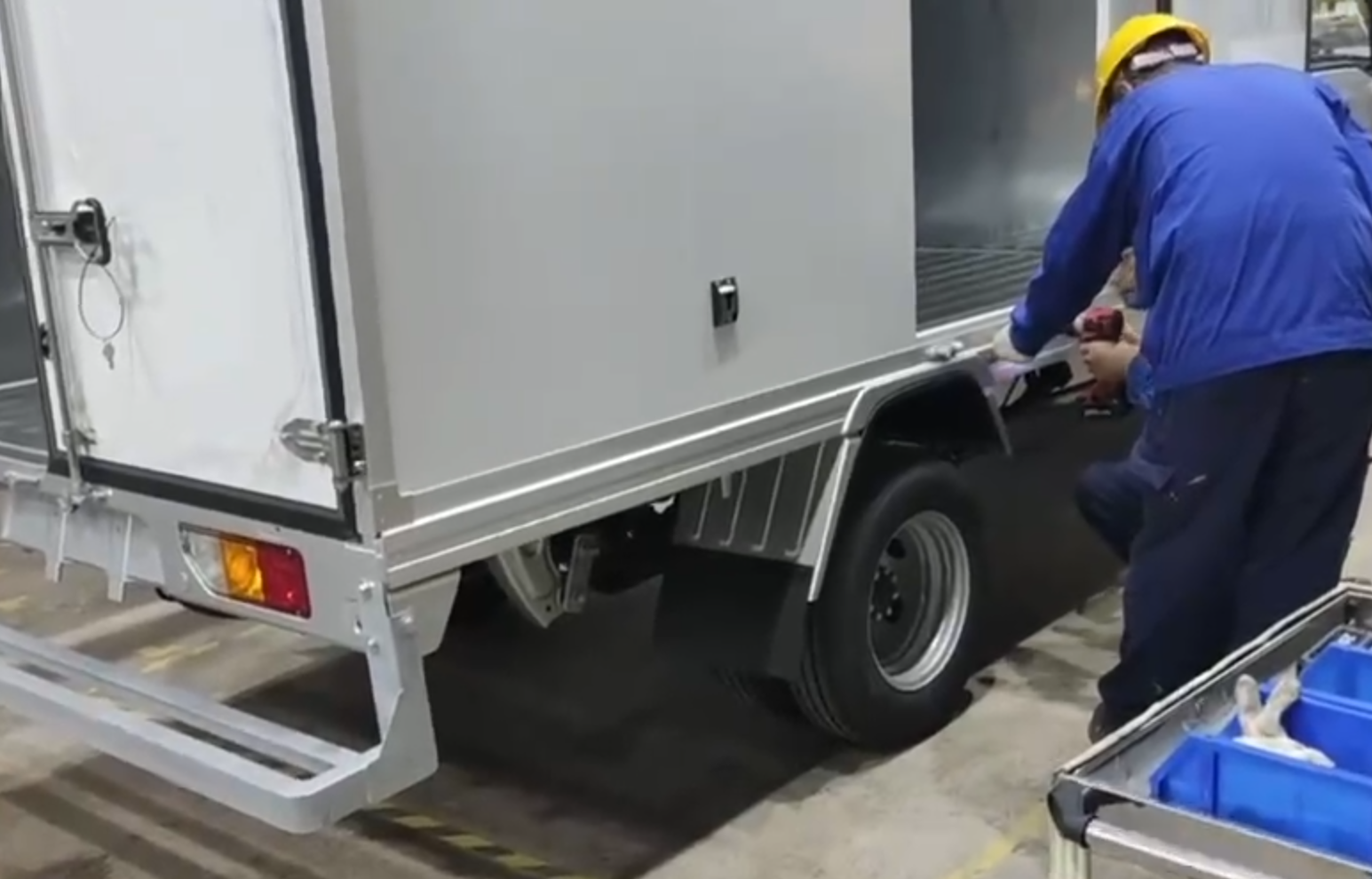
WholeChainTech, a leading provider of commercial vehicle body components and modification solutions, recently shared professional insights into the design logic behind horizontal installation of truck locket T (also known as compartment hooks, tarpaulin buckles, or tow hooks). As a seemingly minor but critical component in cargo van and truck operations, the horizontal mounting of these hooks is not arbitrary—it represents a carefully engineered solution that integrates vehicle structural mechanics, operational ergonomics, and real-world working conditions.
At the heart of the horizontal installation is the need to align with the truck’s inherent structural design and distribute loads effectively. Truck bodies, including compartment doors, body edges, and front/rear contours, are often curved or irregularly shaped. A horizontal mounting allows the hook to conform seamlessly to these surfaces, eliminating protruding edges that could cause scraping or damage during loading, unloading, or transit.
More importantly, the key load-bearing points of a truck—such as the longitudinal beams of the chassis and the edges of compartment panels—are oriented vertically. By installing hooks horizontally, the load is distributed across these longitudinal structural members, matching the direction of the vehicle’s inherent strength. This alignment prevents localized stress concentrations that could lead to component deformation, cracking, or failure under heavy loads or sudden impacts, ensuring the structural integrity of both the hook and the vehicle body.
Beyond structural benefits, horizontal installation significantly improves operational convenience and safety for drivers and logistics personnel. Horizontal hooks align with natural human movement patterns, making it easier for operators to attach, detach, and adjust straps or hooks from the ground or the sides of the vehicle. This ergonomic design reduces the risk of strain or injury, speeds up loading and unloading processes, and ensures more precise alignment when securing cargo or operating compartment doors.
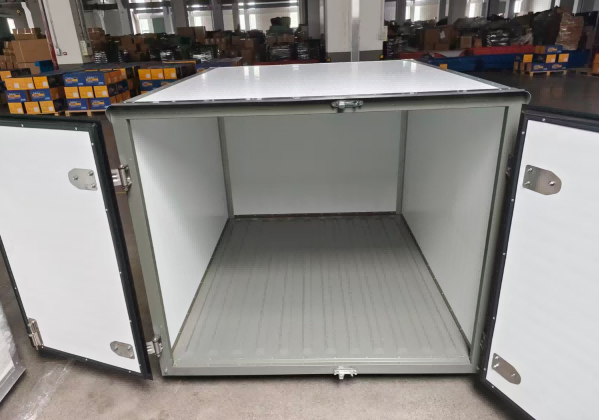
For compartment doors, horizontal locket T provide superior lateral restraint. When the door is open, the horizontal hook acts as a stable barrier, preventing the door from slamming shut due to wind gusts or swaying back and forth during transit. This not only protects the door frame and hinges from impact damage but also enhances safety for workers around the vehicle, eliminating the hazard of sudden door movement.
Practicality and compatibility with existing vehicle designs are also key factors. Most commercial trucks are pre-engineered with horizontal mounting holes and brackets for components like locket T. Horizontal installation leverages these factory-prepared points, eliminating the need for costly and time-consuming modifications such as re-drilling or custom welding. This not only reduces installation time and labor costs but also preserves the vehicle’s original structural integrity and warranty coverage.
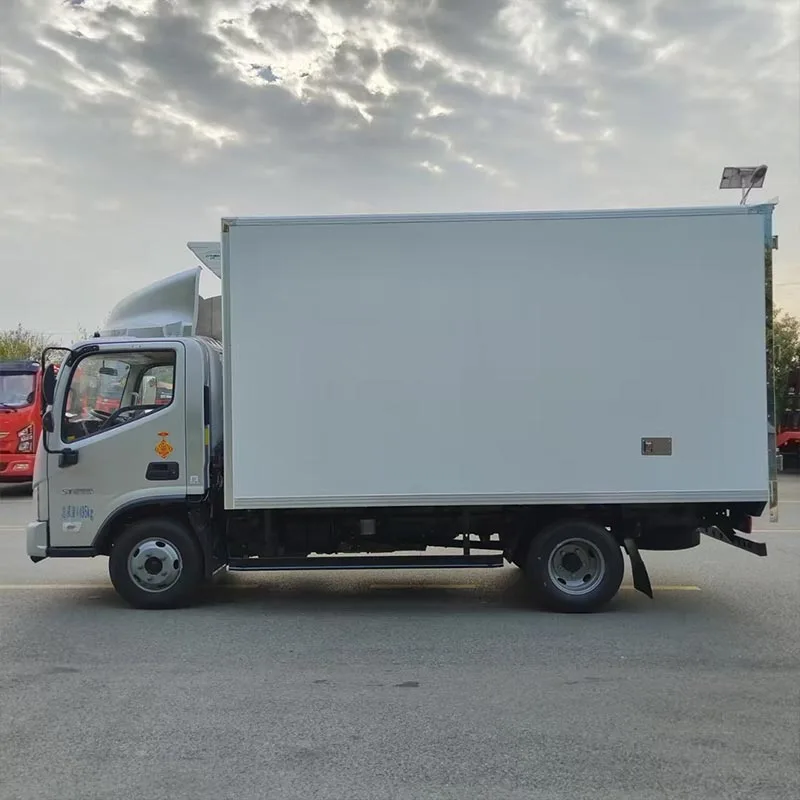
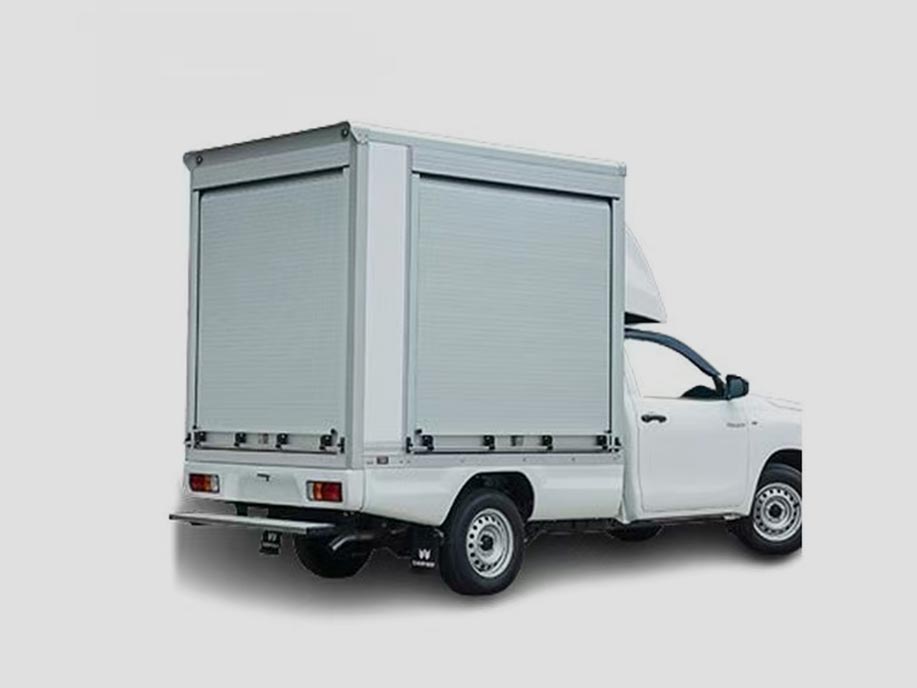
Different vehicle types further justify this design choice. For box trucks or refrigerated vans, horizontal hooks adapt better to the varying sizes and shapes of compartment doors, ensuring a secure fit regardless of door dimensions. For tow hooks, horizontal mounting aligns with the lateral pulling angle of tow ropes, preventing awkward twisting or binding during towing operations and reducing wear on both the hook and the tow equipment.
The horizontal installation of truck locket T exemplifies the meticulous engineering that underpins modern commercial vehicle design. What appears to be a simple mounting choice is, in fact, a holistic solution that addresses multiple critical factors: structural strength, operational efficiency, safety, and compatibility. This attention to detail reflects the broader commitment of manufacturers like WholeChainTech to delivering components that enhance the reliability, safety, and productivity of commercial vehicles.
As the logistics and transportation industry continues to evolve, with a growing focus on efficiency and safety, such incremental design optimizations play a vital role in reducing operational costs and minimizing downtime. WholeChainTech emphasizes that understanding these design principles is essential for fleet operators, modification shops, and drivers to make informed decisions about vehicle components and maintenance.
WholeChainTech remains dedicated to providing high-quality, engineered components that align with these best practices, supporting the global commercial vehicle industry in achieving safer, more efficient, and more sustainable operations.