News

East Africa Trailer Market & AfCFTA: Guide for Fleet Buyers

2026-11-04 0 Leave me a message

The African Continental Free Trade Area (AfCFTA) entered into force on 30 May 2019 and trading under it began on 1 January 2021. As of late 2026, 54 of the 55 African Union member states have signed the agreement and 50 have ratified it — Somalia became the 50th State Party in September 2026. The practical effect is visible at the Port of Mombasa, which serves not only Kenya but also Uganda, Rwanda, Burundi and the eastern Democratic Republic of Congo — landlocked markets that depend on road corridors to move goods in and out.

What AfCFTA actually changes — and what it does not

One clarification matters for anyone budgeting equipment. AfCFTA preferences apply to trade between African State Parties that meets the agreement's rules of origin. Equipment imported from outside Africa — including trailers and truck bodies from China — pays the ordinary import duty of the destination country. AfCFTA does not reduce that.

What it changes is the demand side. Fleets that move cargo across African borders more cheaply and more often need more trucks and trailers doing more kilometres. Intra-African trade rose 12.4% in 2024 to roughly US$220 billion, and Kenya is among the State Parties already trading under AfCFTA tariff preferences. Corridor freight volumes are the practical consequence.

The corridors that set the specification

The Northern Corridor runs from Mombasa through Nairobi to Kampala and onward to Kigali and Juba. The Central Corridor runs from Dar es Salaam into Tanzania, Rwanda, Burundi and eastern DRC, with Zambia linked through the TAZARA route. Trucks on these routes cover long distances on mixed tarmac and rough road surfaces, cross multiple borders each week, and serve markets whose paperwork differs by country.

Three priorities consistently rank highest when operators on these corridors specify new equipment: payload capacity, durability under rough conditions, and total cost of ownership over the vehicle's working life.

Payload is where body weight matters most

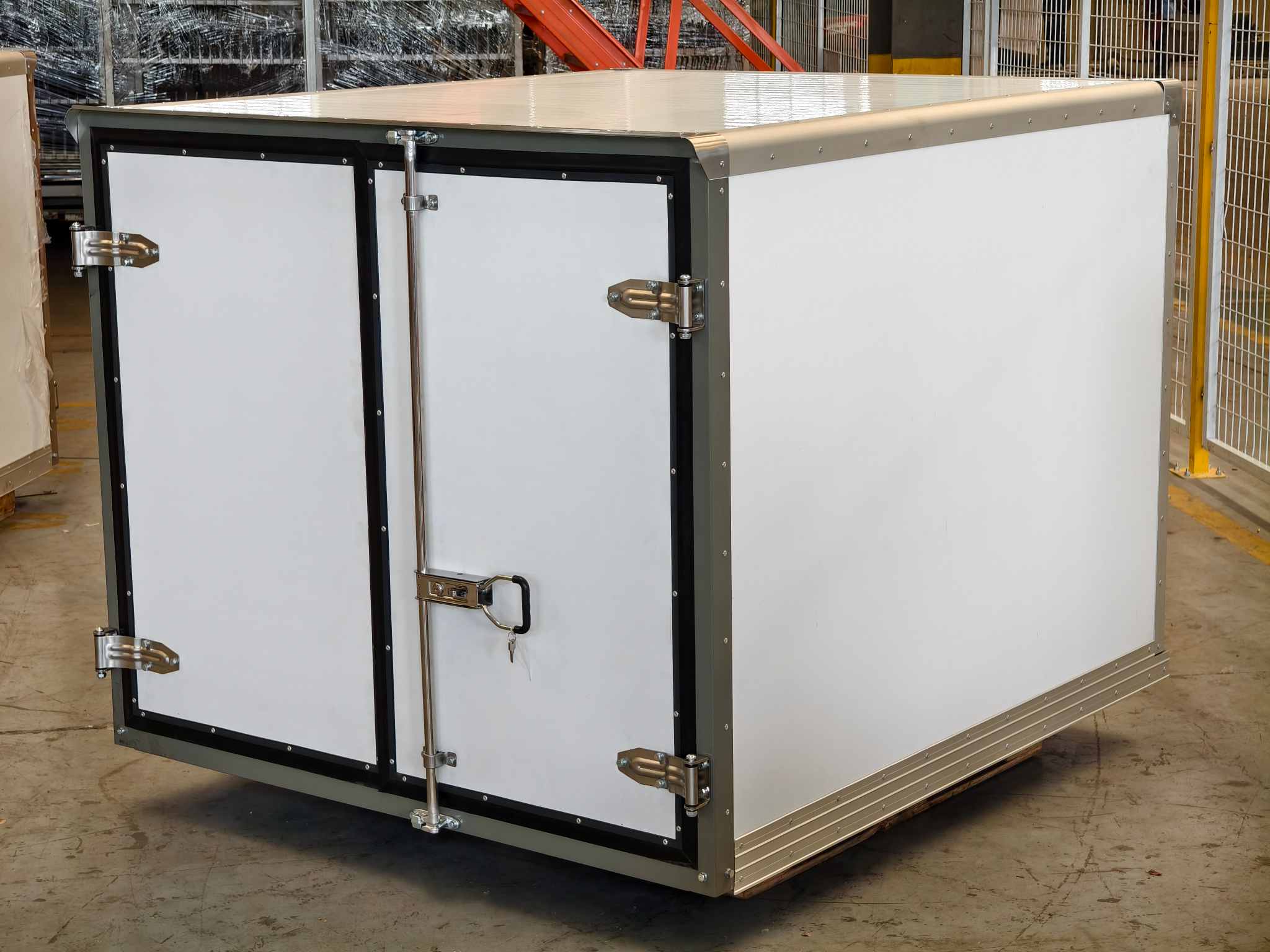
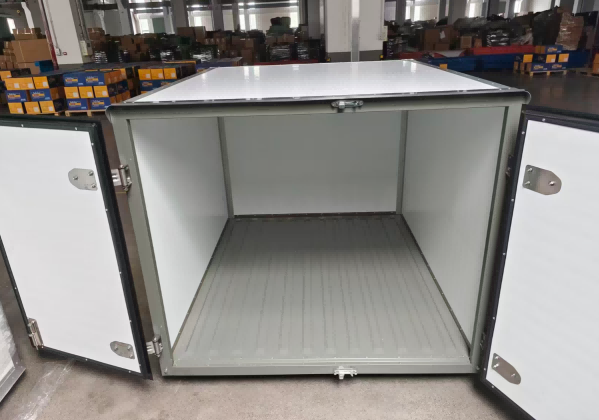
A heavier steel body directly reduces the cargo a truck can legally carry on every trip. Our honeycomb-panel box bodies use a polypropylene honeycomb core bonded to fiberglass-reinforced thermoplastic skins, and run 300–400 kg lighter than a conventional 4.2 m steel body — a 15–20% gain in effective payload on every cross-border run, compounded across hundreds of trips a year on the Mombasa–Kampala or Dar es Salaam–Lusaka routes. The same structure reduces fuel burn, the largest operating cost line for long-haul fleets in the region.

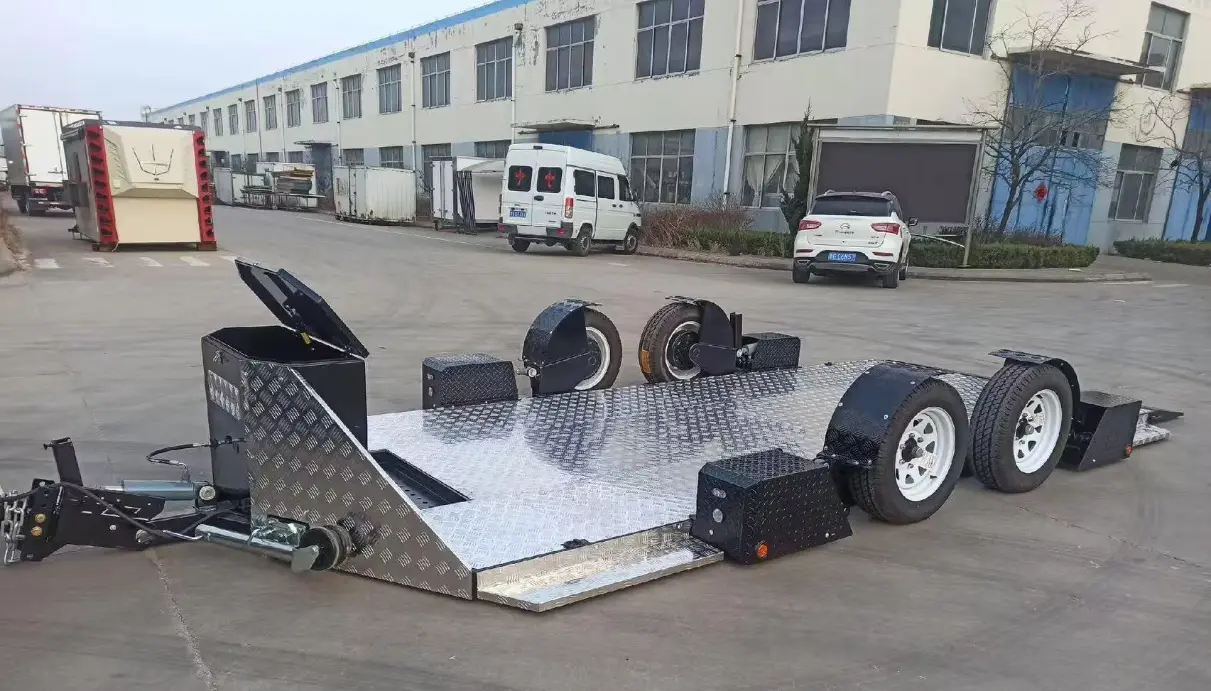
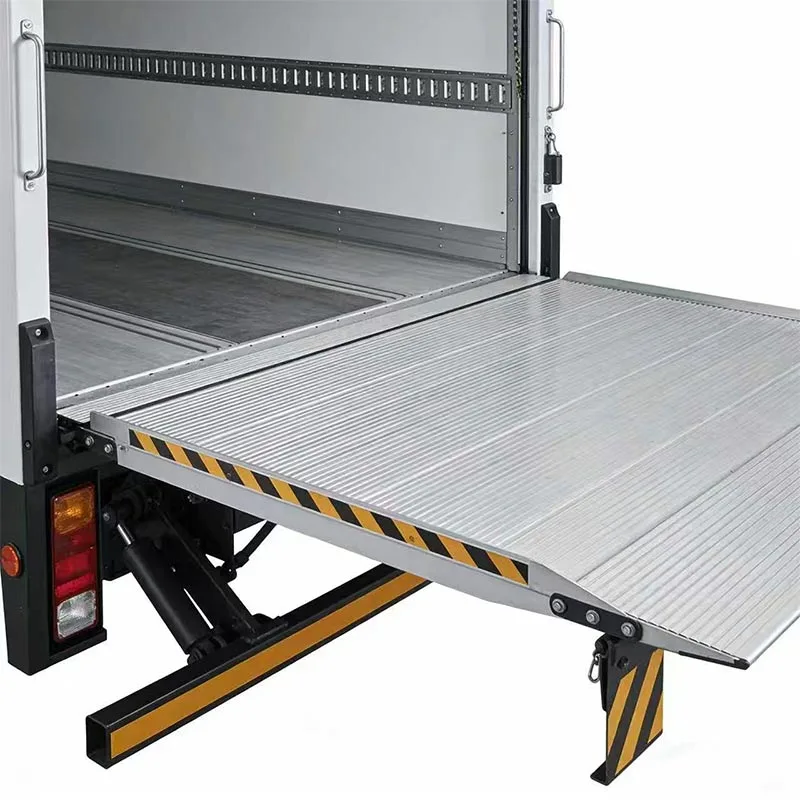
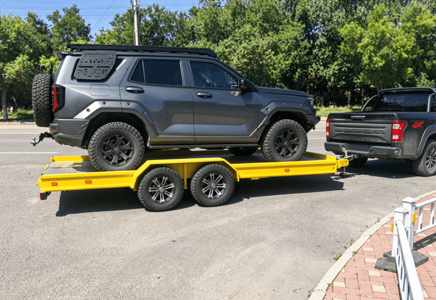
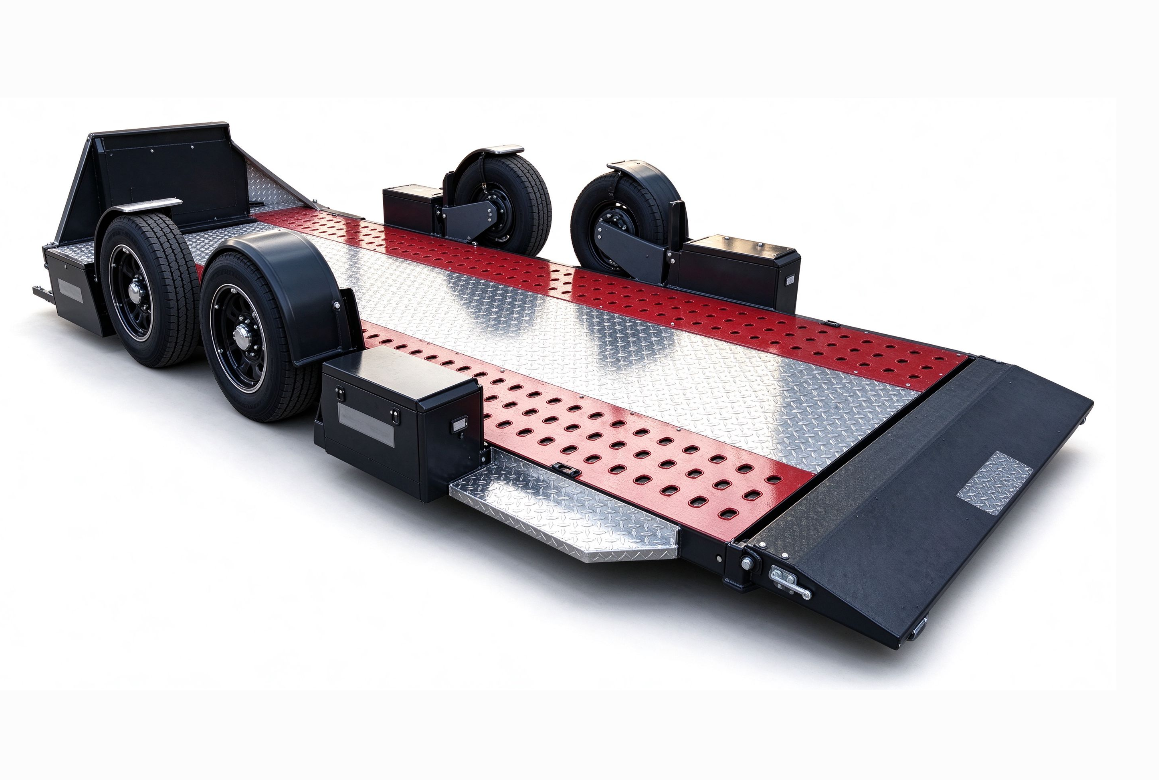
Beyond box bodies, operators running construction, agriculture or project cargo typically need flatbed and hydraulic lift decks. We build flatbed trailers and hydraulic lift trailers rated at 2.5 and 5 tonnes, suited to loading equipment, pallets and oversized cargo without a separate forklift at the delivery point.

What to compare before you buy

For East African corridor duty, three comparisons matter more than headline price:

  • Body weight per cubic metre of cargo space — the number that converts directly into legal payload
  • Corrosion protection — coastal humidity at Mombasa and Dar es Salaam is hard on untreated steel and fasteners
  • Parts and service support — a suspension or axle part that takes six weeks to arrive costs more than the price difference between two quotes

Discuss a corridor configuration

We have designed and built truck bodies and trailers for export markets since 2016. For corridor equipment, a natural starting point is our 5-tonne dual-axle hydraulic lift trailer — the 2.5-tonne model, flatbed trailers and honeycomb-panel box bodies are listed on the same site. Fleets, distributors and body builders are welcome to discuss body configurations for specific corridor applications. Lead times and specifications are confirmed at quotation, and every quote is prepared around the buyer's actual route, payload target and operating profile.


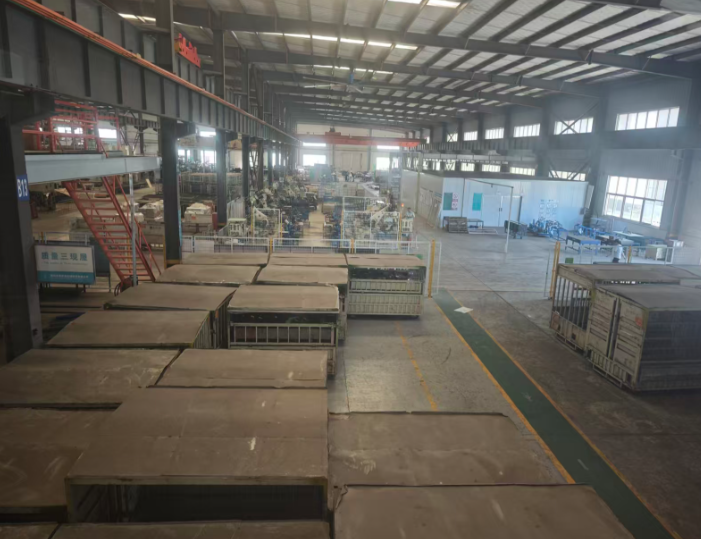
Chongqing Wholechaintech Automotive Components Co., Ltd. manufactures truck box bodies, multi-purpose and custom bodies, and flatbed and hydraulic lift trailers at its production bases in Chongqing — the company's headquarters and main manufacturing site — and Qingdao, China.

AfCFTA figures reflect public reporting by the AfCFTA Secretariat as of late 2026. Import duty treatment is set by each destination country; confirm applicable rates with a licensed customs broker before ordering.


Sources

  • AfCFTA Secretariat — signature and ratification status (54 signatories, 50 State Parties; Somalia deposited its instrument of ratification on 4 September 2026); Agreement entered into force 30 May 2019; trading under the agreement began 1 January 2021.
  • tralac — ratification status as at end-September 2026; rules of origin adoption (Automotive sector adopted February 2026).
  • AfCFTA Secretariat / AfCFTA Champion statement, August 2026 — intra-African trade up 12.4% in 2024 to US$220 billion.
Related News
Leave me a message
X
We use cookies to offer you a better browsing experience, analyze site traffic and personalize content. By using this site, you agree to our use of cookies. Privacy Policy
RejectAccept