News

Leaf Spring vs Torsion Axle: Which Trailer Suspension Suits Your Operation?

2026-11-03 0 Leave me a message

When buyers specify a trailer, most fixate on payload, deck length and price. The component that decides whether the trailer lasts ten years or three, however, is the suspension — and it is the one most often left to whatever the factory defaults to. The right choice depends on the roads, the cargo and the budget.


Leaf spring: built for rough roads

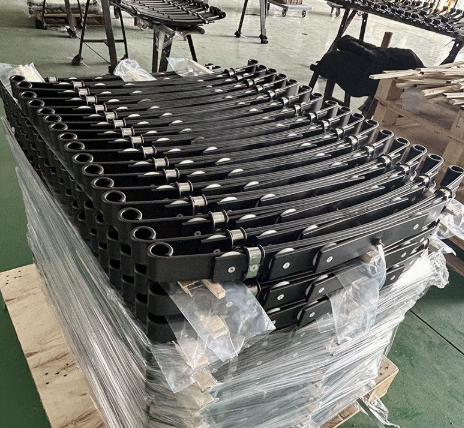
Leaf spring suspension uses stacked steel beams clamped to the axle and bolted to the frame. The design is old, heavy and completely unglamorous — and for good reason. Leaf springs tolerate overload, absorb pothole damage without complaint, and can be repaired with basic tools anywhere in the world. Replacement parts are cheap and locally available from Kenya to Nigeria.

The trade-off is ride quality. A leaf-spring trailer rides firmer, and the unsprung weight is higher, which adds a little to tire and road wear. For construction sites, farm trails and African trunk roads, that trade-off almost always lands on the right side.

Torsion axle: the quiet, low-maintenance choice

A torsion axle hides rubber cords inside the axle tube instead of visible springs. The wheel moves on an arm, and the rubber flexes to absorb bumps. The result is a smoother, quieter ride with no lubrication points, no shackles to seize, and no spring hangers to crack.

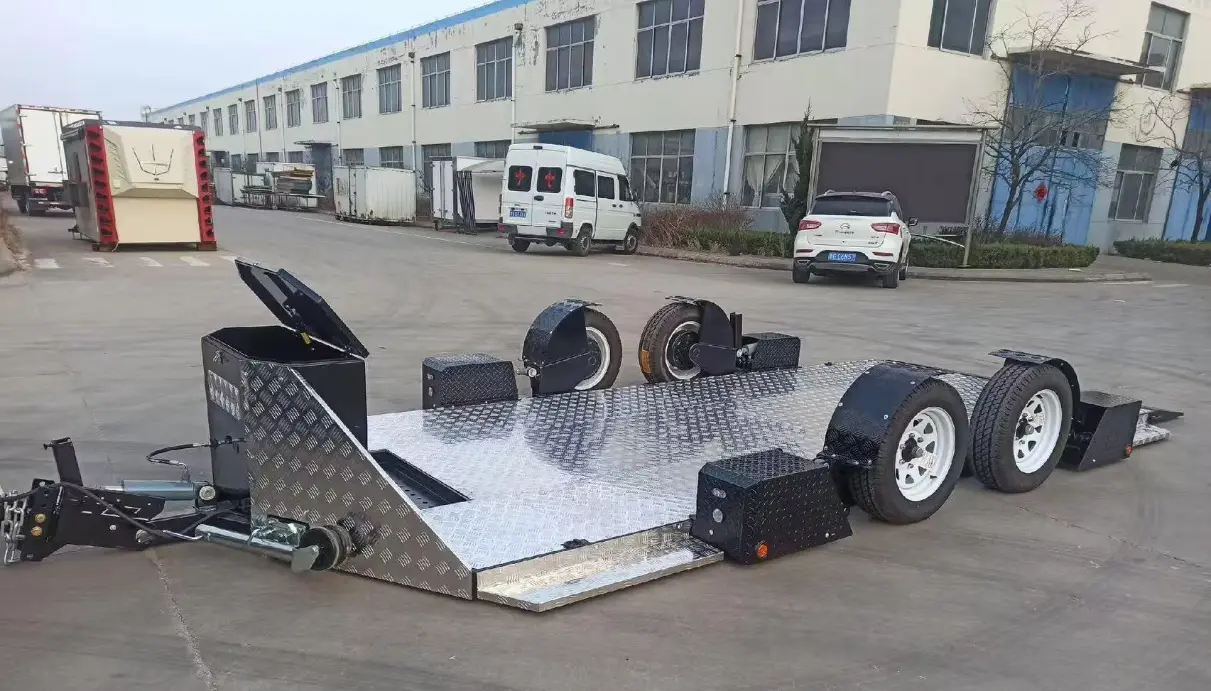
Torsion axles suit light-to-medium trailers that spend their life on paved roads — motorcycle trailers, compact cargo trailers and box bodies towed by pickups across European highways and North American suburbs. The trade-off is less tolerance for shock overload: a torsion axle flexed past its limit sustains permanent damage that leaf springs would shrug off.

Air suspension: when cargo demands it

Air bags replace steel springs entirely and adjust height from the cab. Air suspension levels a trailer regardless of load, kneels for loading, and isolates sensitive cargo from road vibration. It is the choice for temperature-sensitive, fragile or precision cargo — but it adds compressors, valves and electronics that need maintenance, and a price tag that leaf-spring and torsion setups do not approach.

Match the suspension to the route, not the catalogue

Road condition Best choice
Unpaved, rough, remote areas Leaf spring
Paved roads, light loads, low maintenance budget Torsion axle
Sensitive cargo, height control, premium duty cycle Air suspension

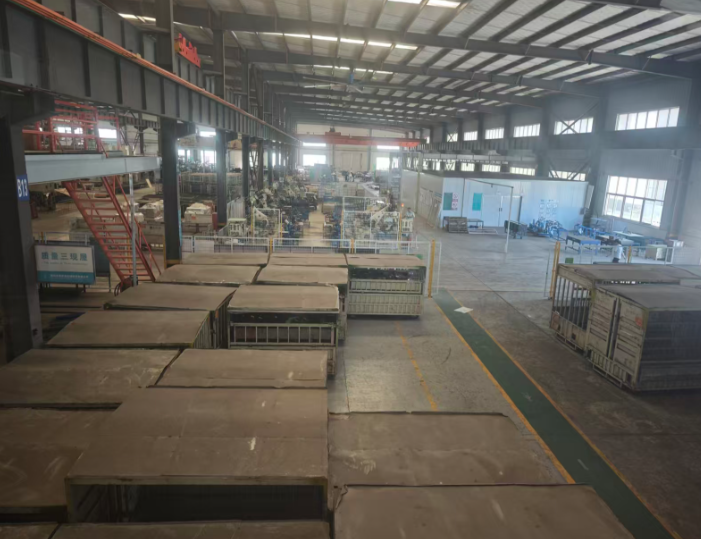
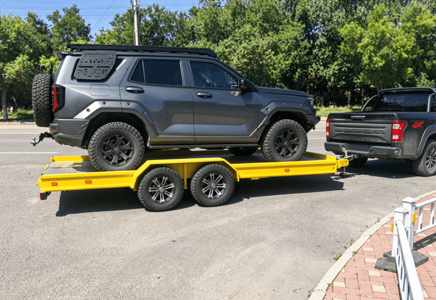
WholeChainTech builds flatbed trailers, hydraulic lift trailers, motorcycle trailers and custom special trailers at production bases in Chongqing and Qingdao, and can spec leaf spring, torsion or air suspension to the route the buyer actually runs. Tell us where the trailer will work and what it will carry, and the engineering team will recommend the matching suspension and prepare a quotation.


Related News
Leave me a message
X
We use cookies to offer you a better browsing experience, analyze site traffic and personalize content. By using this site, you agree to our use of cookies. Privacy Policy
RejectAccept