Whatsapp
China's commercial vehicle market is moving into its most important selling season of the year. After a soft July–August, industry analysts expect the traditional "Golden September and Silver October" peak to lift monthly sales through the fourth quarter, driven by a record share of new energy trucks. According to Galaxy Securities, the market is entering the year-end consumption season with sales expected to improve month by month.
The defining feature of 2026 is the rapid rise of new energy heavy trucks. Terminal sales data from China's First Commercial Vehicle Network shows that new energy heavy trucks achieved a penetration rate of 36.59% in the first eight months of the year — meaning more than one in three heavy trucks sold in China is now electric or alternative-fuel powered, genuinely competing head-to-head with diesel and natural gas trucks.
In August alone, leading manufacturers posted striking growth: Sinotruk sold 4,923 new energy heavy trucks, up 176.1% year on year; FAW Jiefang reached 3,779 units, up 40%; XCMG followed with 3,768 units, up 33%; and SANY recorded 3,249 units, up 27%. The shift is structural, not seasonal.
August itself was a quiet month — terminal sales of heavy trucks reached 56,500 units, down 15% year on year, marking the second consecutive monthly decline during the traditional low season. Yet the cumulative picture remains healthy: heavy truck terminal sales passed 500,000 units in the first eight months, up 9% year on year, an increase of roughly 42,500 units versus the same period in 2025.
With the "Golden September and Silver October" window now open, manufacturers and dealers expect demand to recover step by step, supported by seasonal demand, logistics activity and policy-driven fleet renewal. Trailer sales have followed a similar rhythm, with the tractor segment accumulating 432,500 units in the first eight months, up 20%.
For manufacturers in the commercial vehicle supply chain — especially truck body and trailer producers — the market shift brings two clear implications:
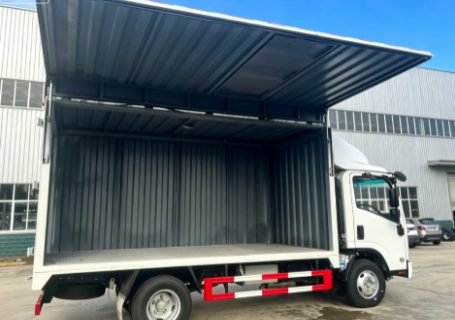
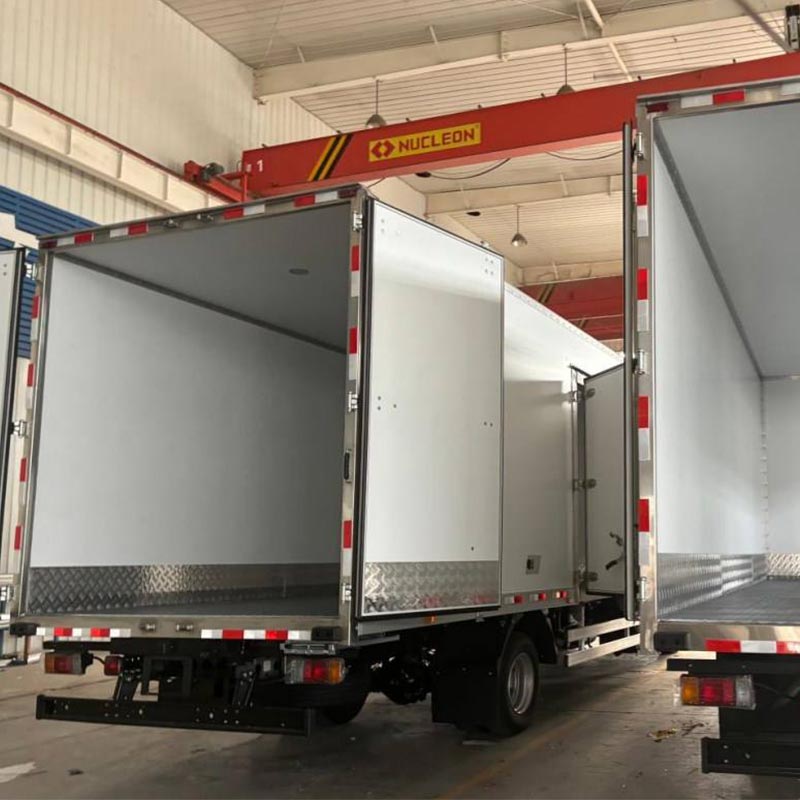
Structural demand for lightweight bodies. As batteries add weight to new energy trucks, lightweight bodies become essential to protect payload capacity and extend range. Honeycomb composite panels are gaining adoption precisely for this reason.
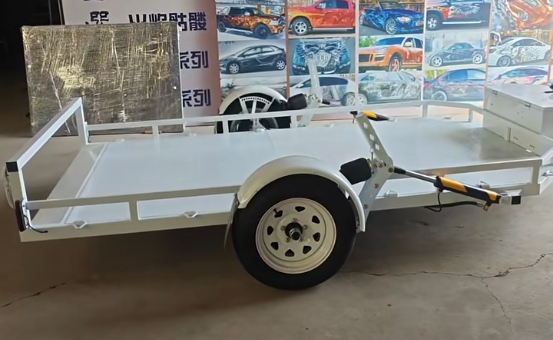
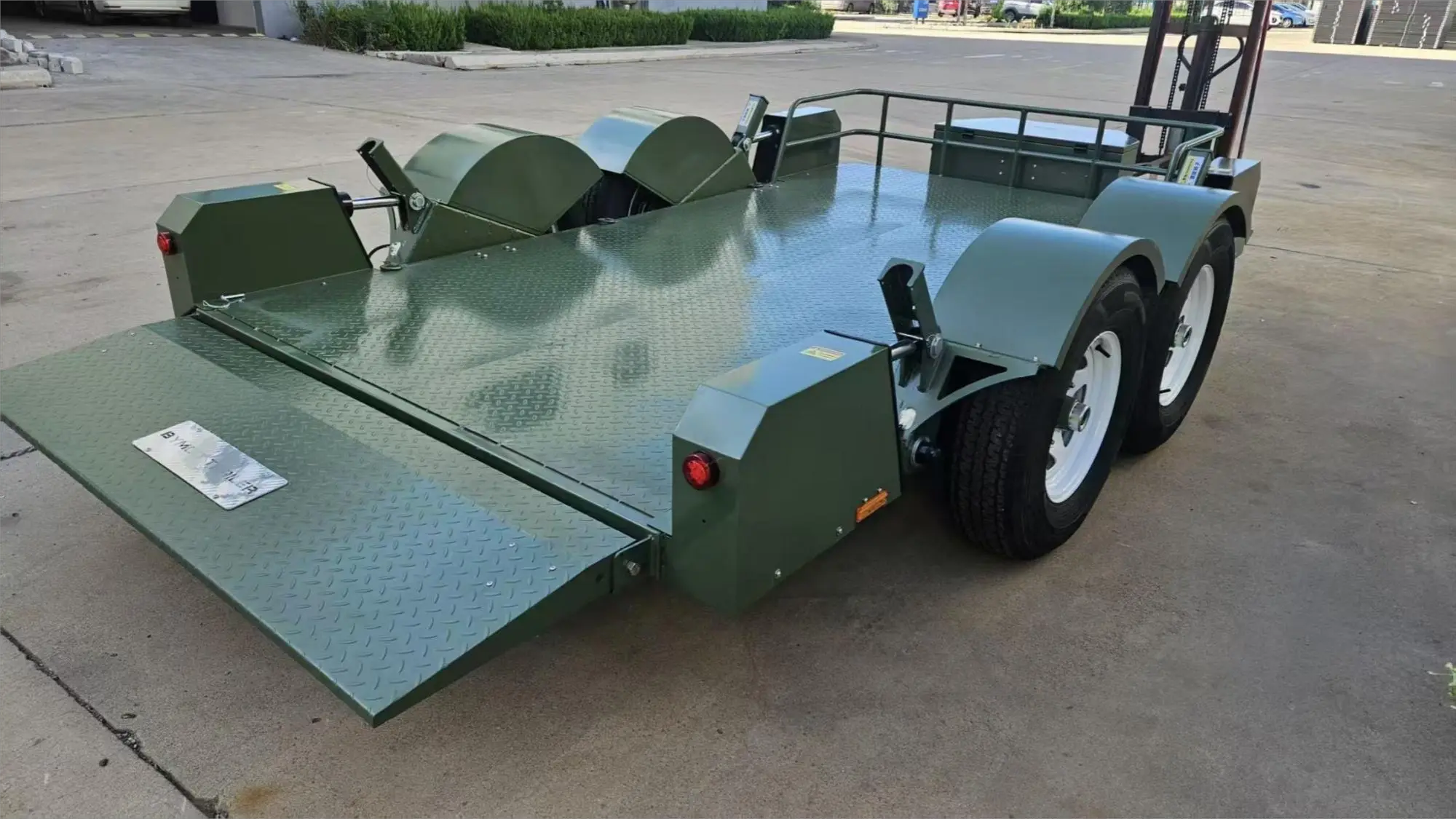
A broad-based recovery across segments. Peak-season demand lifts the entire chain, from tractors and cargo trucks to dry van bodies, flatbed trailers and modification components — benefiting both domestic sales and export programs.
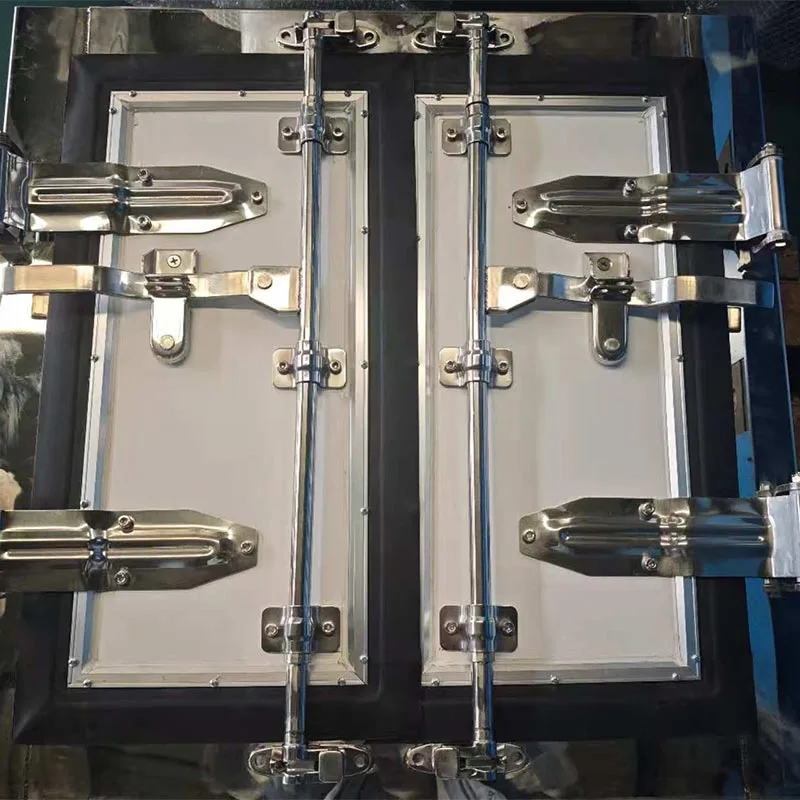
WholeChainTech is a high-tech enterprise established in 2016 and located in the Liangjiang New Area Industrial Park, Chongqing. The company specializes in the design, manufacturing, sales and after-sales service of truck bodies, multi-application trailers and their core modification components. Its lightweight nylon honeycomb dry truck bodies reduce vehicle weight by 300–400 kilograms on a standard 4.2-meter body and increase effective payload by 15–20% — exactly the kind of solution new energy fleets need as China's truck market enters its peak season.