News

Honeycomb Panel vs. Plug‑In Panel Bodies: A Side‑by‑Side Technical Comparison for Specialized Vehicle Operators

2026-05-26 0 Leave me a message

Core Performance Dimensions: Head‑to‑Head Comparison

1. Weight & Payload Efficiency

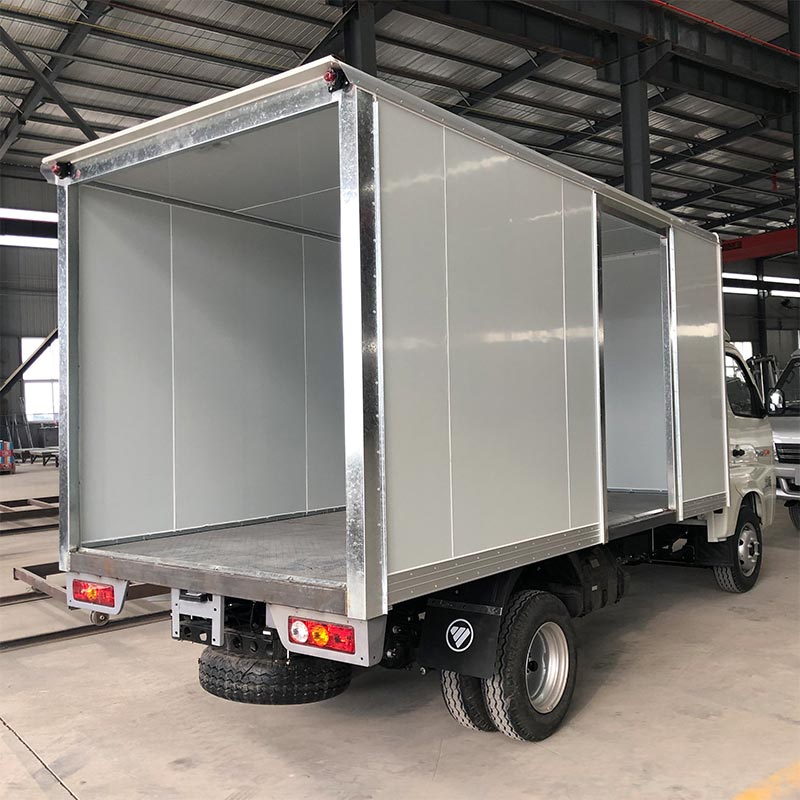
Honeycomb composite panels are constructed with a lightweight aluminum or PP honeycomb core sandwiched between two thin steel or aluminum face sheets, delivering an average 30% weight reduction compared to equivalent‑thickness plug‑in steel panels. For operators in regions with strict gross vehicle weight limits, such as North America and the European Union, this weight saving translates directly to increased payload capacity: a 12‑meter trailer built with honeycomb panels can carry an additional 800–1000kg of cargo per trip, generating up to 15% higher revenue per shipment. The lighter weight also reduces fuel consumption by an average of 6–8% for long‑haul operations, delivering significant operational cost savings over the vehicle’s service life.Plug‑in steel panels, by contrast, use solid steel sheets joined via mortise‑and‑tenon joints, making them significantly heavier but delivering superior structural rigidity for heavy‑load applications.

2. Structural Strength & Application Scenarios

Plug‑in panels’ interlocking mortise‑and‑tenon joint design creates a fully integrated, highly rigid body structure with a 25% higher load‑bearing capacity than honeycomb panel bodies of the same thickness. This makes them the preferred choice for heavy‑duty applications, including mining equipment transport, construction material hauling, and off‑road use, where the body is exposed to frequent impact, heavy point loads, and rough terrain. Field testing shows that high‑quality plug‑in panel bodies can withstand up to 5 tons of concentrated impact without structural deformation.Honeycomb panels deliver uniform strength across the entire panel surface but are more susceptible to damage from concentrated point loads. They are best suited for light‑to‑medium duty applications such as urban logistics delivery, parcel transport, refrigerated cargo, and consumer goods hauling, where weight efficiency is a higher priority than extreme impact resistance.

3. Weather Resistance & Long‑Term Durability

Honeycomb composite panels are fully sealed during production, with no gaps between panels, delivering excellent water, dust, and corrosion resistance. This makes them particularly well‑suited for operation in coastal regions, high‑humidity climates, and areas with frequent rain or snow. Well‑maintained honeycomb panel bodies have an average service life of 10–12 years, 2–3 years longer than plug‑in panel bodies in high‑humidity environments.Plug‑in panel bodies, by contrast, have small gaps between the interlocking joints, which can allow water and dust to seep in over time if the sealing material deteriorates. While regular maintenance and re‑sealing can mitigate this risk, plug‑in panels are more prone to rust and corrosion in high‑humidity or coastal areas without proper upkeep.

Related News
Leave me a message
X
We use cookies to offer you a better browsing experience, analyze site traffic and personalize content. By using this site, you agree to our use of cookies. Privacy Policy
Reject Accept