News

Three Types of Cargo Box Materials: A Comparison of Lightweight and Durability

2026-05-29 0 Leave me a message

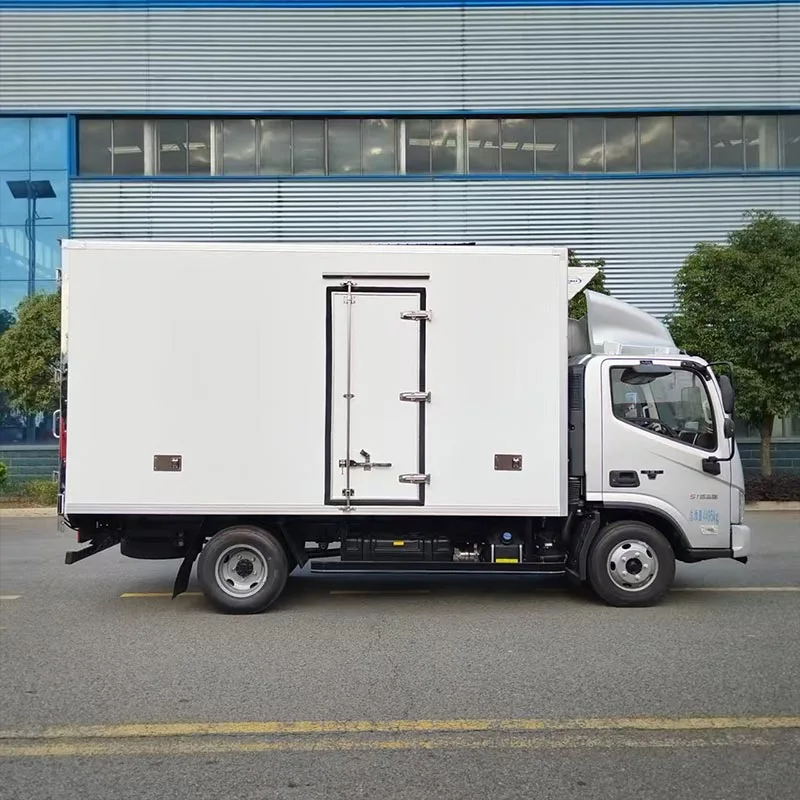
In the field of electric tricycles and urban logistics equipment, the choice of cargo box material directly impacts vehicle payload efficiency, durability, and total life-cycle cost. We have conducted a comprehensive comparison of three mainstream materials: Polyurethane Foam Double-Layer Cargo Box, Plug-in Panel Double-Layer Cargo Box, and Honeycomb Panel Double-Layer Cargo Box, providing clear selection guidance for customers from weight, corrosion resistance, to cost, helping logistics fleets achieve efficient operations and maximize long-term value.

1. Core Parameter Comparison

Product Name Weight per Square Meter Total Weight Corrosion Resistance Core Features
Polyurethane Foam Double-Layer Cargo Box (25mm) 12.27kg/㎡ (Skin 7.83kg + PU 1kg + Frame 3.44kg) 193kg Inner/outer color-coated sheet (TDC51D, 0.5mm) + 25mm*1.2 galvanized square tube, stable corrosion resistance Sturdy structure, galvanized frame anti-deformation, suitable for heavy-duty scenarios
Plug-in Panel Double-Layer Cargo Box (40mm) 6.68kg/㎡ (Skin 5.48kg + ABS 1.2kg) 170kg Inner/outer color-coated sheet (TDC51D, 0.35mm), prone to rust after scratching Low cost, lightweight ABS core, but with corrosion resistance shortcomings
Honeycomb Panel Double-Layer Cargo Box (25mm) 4.5kg/㎡ 121kg Inner/outer fiberglass, no corrosion resistance Ultra-lightweight, lowest weight, ideal for scenarios pursuing range and payload efficiency


2. In-depth Analysis of Performance Dimensions

1. Lightweight and Payload Efficiency

The Honeycomb Panel Double-Layer Cargo Box is the lightweight champion with a total weight of 121kg, reducing weight by 37% compared to the Polyurethane Foam model and 29% compared to the Plug-in Panel model. The lightweight design directly improves the electric tricycle's range while increasing effective payload, making it the optimal choice for urban delivery and high-frequency transportation scenarios.

The Plug-in Panel Cargo Box (170kg) and Polyurethane Foam Cargo Box (193kg) are more suitable for scenarios where extreme payload is not required but structural strength is prioritized.

2. Corrosion Resistance and Durability

○ Polyurethane Foam Model: Adopts 0.5mm thick color-coated sheet and galvanized square tube, with stable corrosion resistance, not easy to rust in long-term use, suitable for complex environments such as coastal areas and high humidity, with a longer service life.

○ Plug-in Panel Model: The color-coated sheet is only 0.35mm thick, prone to rust after scratching, with durability shortcomings and requiring additional maintenance.

○ Honeycomb Panel Model: Fiberglass material has no corrosion resistance, easy to age in humid and corrosive environments, more suitable for dry and clean inland scenarios.

3. Cost and Application Scenarios

○ Polyurethane Foam Model: The sturdiest structure with optimal corrosion resistance and moderate cost, suitable for professional logistics fleets with heavy-duty and long-term operation.

○ Plug-in Panel Model: The lowest cost with acceptable lightweight performance, but obvious corrosion resistance shortcomings, suitable for entry-level customers with budget sensitivity and short-term use.

○ Honeycomb Panel Model: Ultra-lightweight with higher cost, suitable for high-end customers pursuing range and payload efficiency with better operating environments.

3. Selection Recommendations

• Pursuing Ultra-lightweight and Range: Prioritize the Honeycomb Panel Double-Layer Cargo Box, suitable for light-to-medium load scenarios such as urban express and e-commerce delivery.

• Pursuing Durability and Corrosion Resistance: Prioritize the Polyurethane Foam Double-Layer Cargo Box, suitable for coastal areas, high humidity regions, and heavy-duty transportation.

• Budget-sensitive and Short-term Use: The Plug-in Panel Double-Layer Cargo Box can be chosen, but regular maintenance is required to avoid rust caused by scratches.

Conclusion

The three types of cargo box materials have their own advantages and disadvantages, and customers can flexibly choose according to operating scenarios, payload requirements, and budgets. We will continue to optimize product structure and material technology to provide global customers with more efficient, durable, and cost-effective cargo box solutions, helping the logistics industry upgrade towards lightweight and intelligent direction.


Related News
Leave me a message
X
We use cookies to offer you a better browsing experience, analyze site traffic and personalize content. By using this site, you agree to our use of cookies. Privacy Policy
Reject Accept