Whatsapp
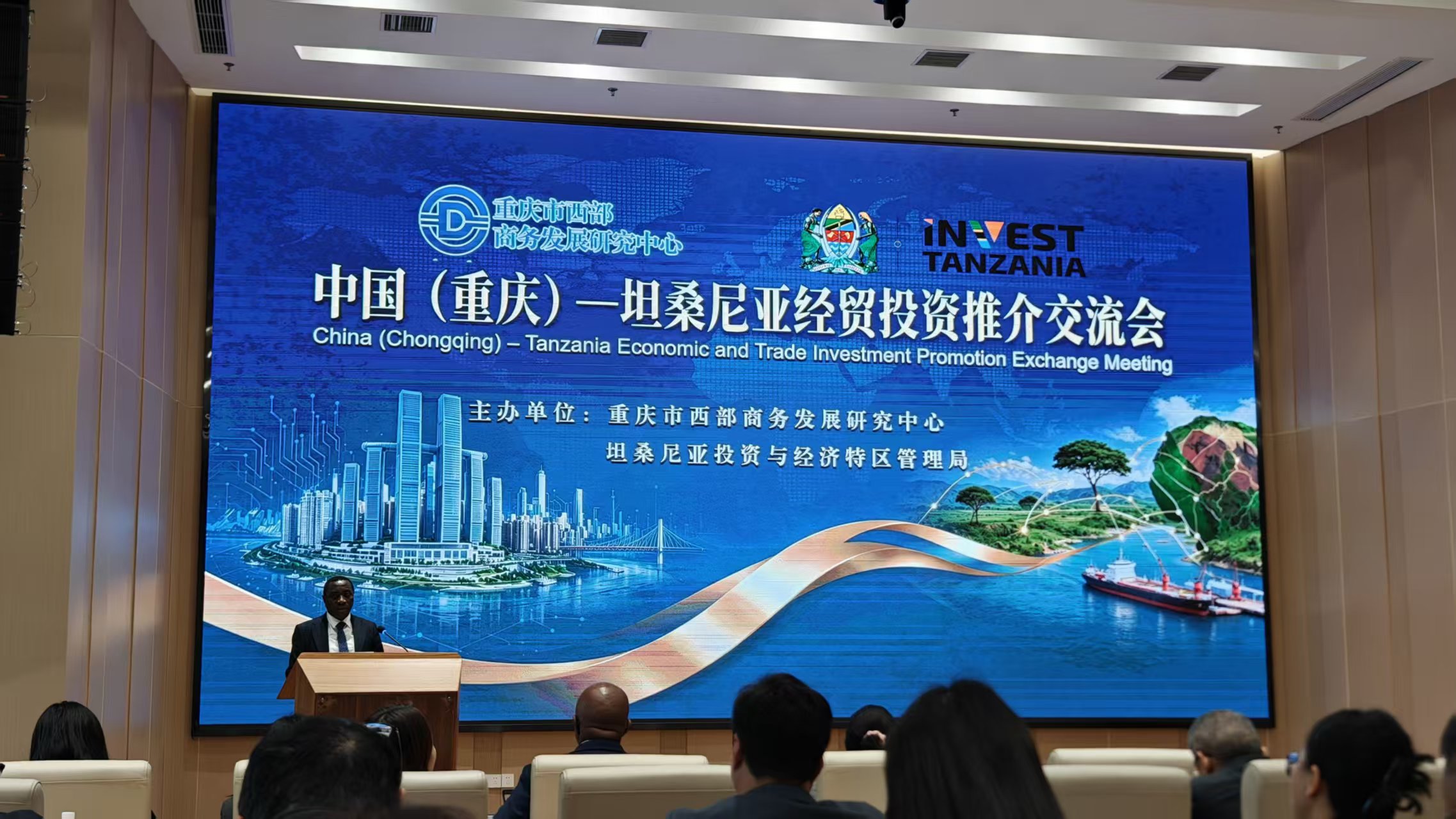
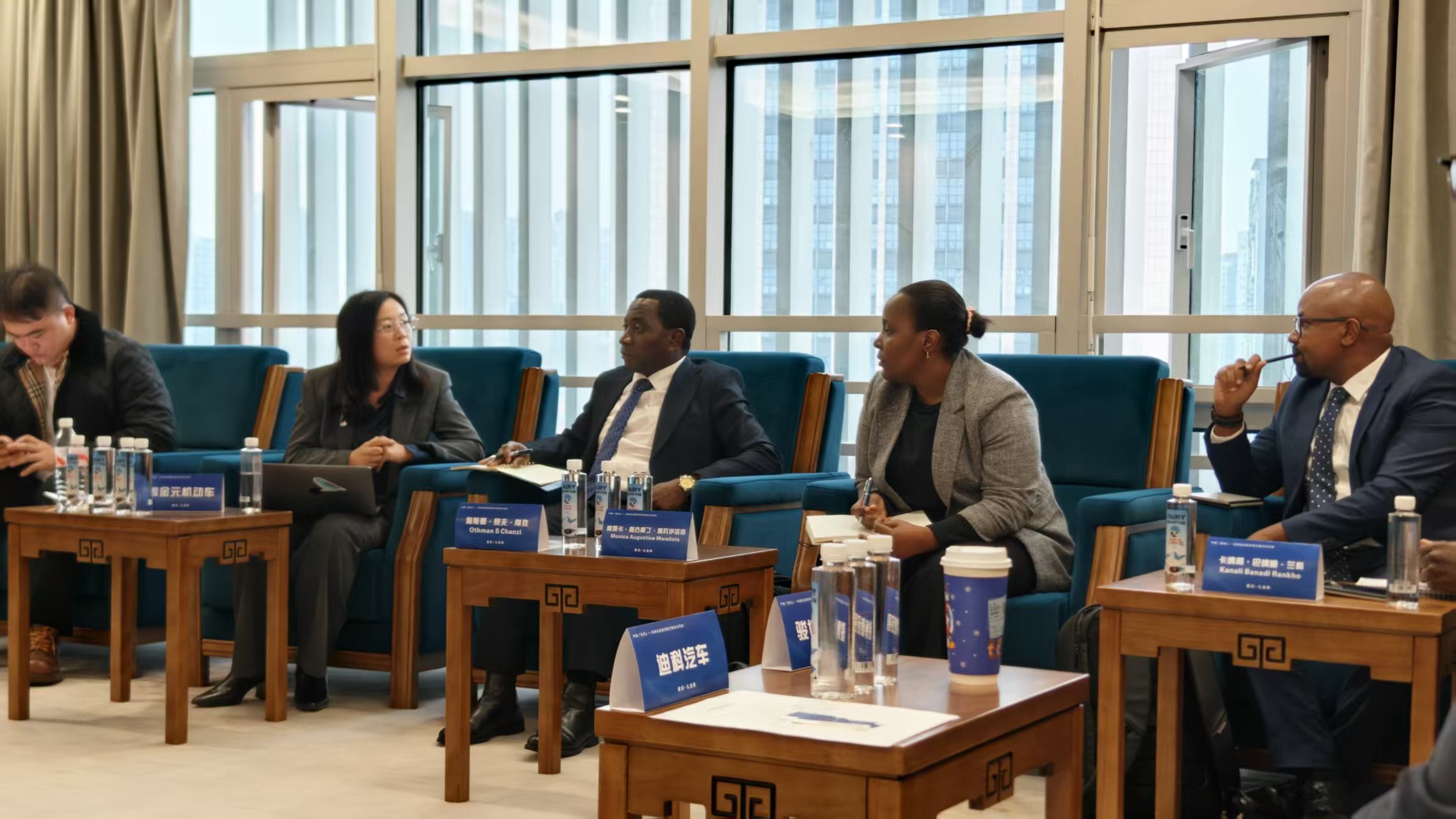
CHONGQING, China — 16 November 2026 — Representatives from WholeChainTech attended the China (Chongqing)–Tanzania Economic, Trade and Investment Promotion Exchange Conference in Chongqing on 12 November. The company is now assessing Tanzania as a possible regional assembly and distribution base for trailer and truck body kits serving East African and Southern African markets. No investment decision has been taken. The open questions are questions of customs classification and market access, and the answers to those questions decide whether an assembly operation in Tanzania would be commercially viable.
According to figures presented at the conference, Tanzania imported about 271,443 vehicles in the first ten months of 2026, 55% more than in the same period of 2025. Import value reached US$1.69 billion in 2024, against US$805 million in 2015. Chinese brands accounted for 44.8% of the 2024 import value. Local purchasing has moved decisively toward Chinese vehicles, and the volume points to a market that meets vehicle demand largely through imports.
Tanzania also sits inside three trade arrangements at once: the East African Community customs union, the Southern African Development Community, and the African Continental Free Trade Area. An assembly operation that meets the applicable rules of origin can serve Kenya, Uganda, Zambia, Mozambique and South Africa from one site. That reach, rather than finished-unit export, is what puts assembly on the table.
The incentive framework described at the conference is structured by investor category and project type. It is not one uniform package, and the differences between categories are large.
A new vehicle assembly plant operating under a government performance agreement qualifies for corporate income tax at 10% for five consecutive years, against the standard rate of 30%. Export processing zone investors face a minimum capital requirement of TZS 1.5 billion, must export at least 80% of output, and receive ten years of corporate income tax exemption on qualifying export income. Local sales from inside a special economic zone do not automatically qualify for exemption and attract the standard 30%. A construction period of up to four years may qualify construction materials and equipment for 100% duty and VAT exemption.
Two tariff lines are directly relevant to an assembly programme. Unassembled electric-vehicle SKD kits under HS 8703.80.10 enter the EAC at zero import duty. Lithium-ion battery cells under HS 8507.60.00 carry a one-year duty exemption. Separately, recognised capital goods receive duty relief of 75%, which takes a 25% headline rate to an effective 6.25%.
Entry thresholds are set at TZS 1.5 billion — approximately US$567,400 — for an ordinary foreign investor, and US$50 million for strategic investor status, which carries terms negotiated separately and published by government notice. Standard import VAT on vehicles is 18%, and qualifying capital equipment may defer VAT rather than pay it at the border.
Relief and exemption are granted on qualification, against an investment agreement and certificates of origin. None of it is automatic, and the export and domestic-sales tracks are administered separately.
Three questions determine whether a WholeChainTech assembly phase makes commercial sense.
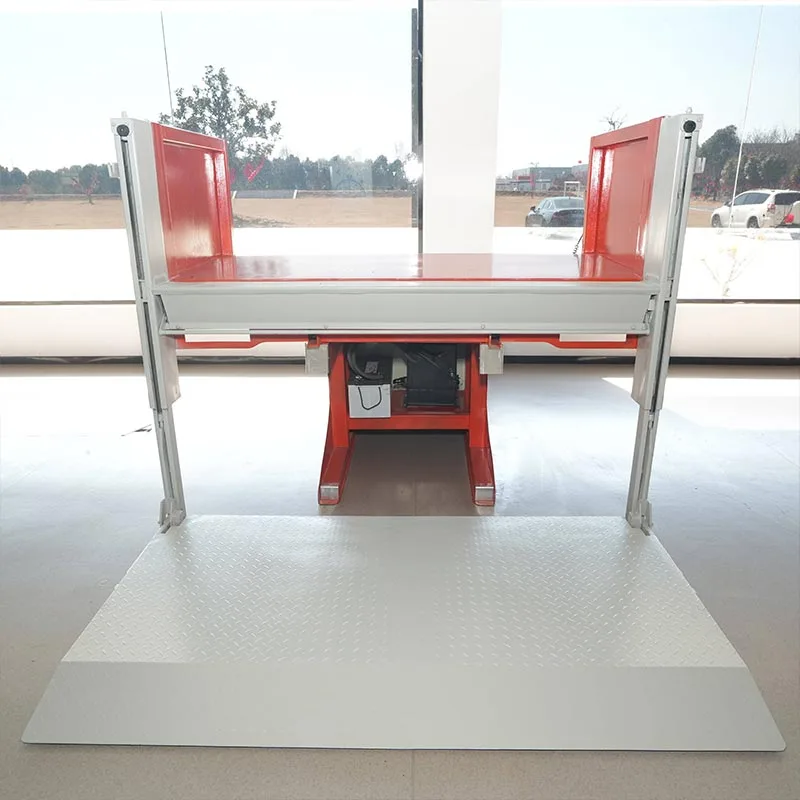
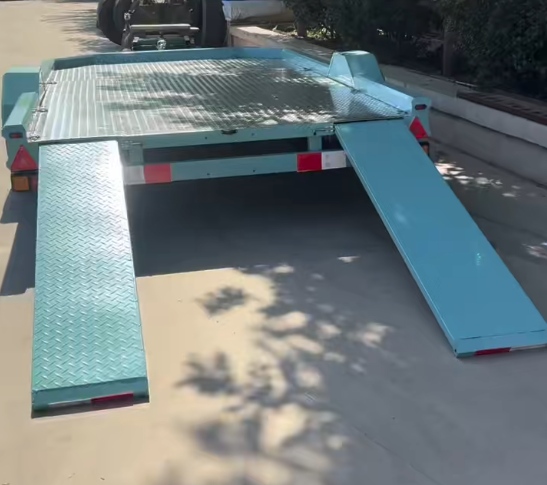
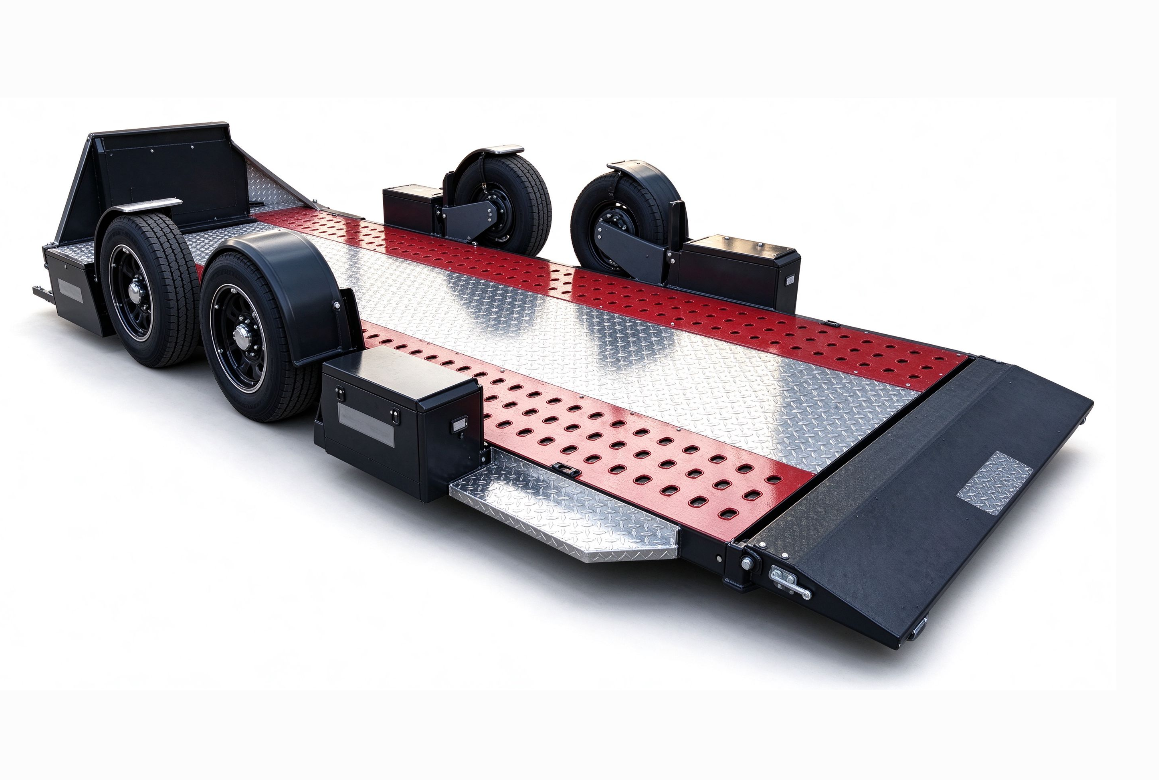
Trailer kit classification. Trailers fall under HS 8716, a different heading from the 8703 line that carries the zero-duty treatment for electric passenger vehicle kits. Whether flatbed, box-body and hydraulic lift trailer kits can be classified into an equivalent duty-relieved category is a question for a licensed customs broker and for TISEZA. WholeChainTech is not prepared to assume the answer.
Capital goods treatment. Duty relief and VAT deferral on capital goods depend on the goods qualifying as capital equipment for the project. Whether assembly tooling and jigs clear that test, and how the kits themselves are treated, sets the real cost of the first phase.
The 80% export rule against domestic sales. An export processing zone structure suits an export-led programme. A programme that also sells into the Tanzanian domestic market needs a different structure, because domestic sales do not carry the same relief. The two models have to be costed separately rather than blended.
WholeChainTech will continue the dialogue opened at the conference through the Tanzania Investment and Special Economic Zones Authority (TISEZA) one-stop facilitation channel, which covers industrial site allocation, company registration, licensing and aftercare. The company will assess an SKD assembly phase against its existing export programme, not as a replacement for that programme. Trailers and truck bodies for East African customers continue to be supplied from the company's production bases in Chongqing and Qingdao in the meantime, with export documentation prepared for each destination market. Fleets, distributors and body builders in East Africa exploring trailer or body supply are welcome to contact the export team to discuss corridor-specific configurations.
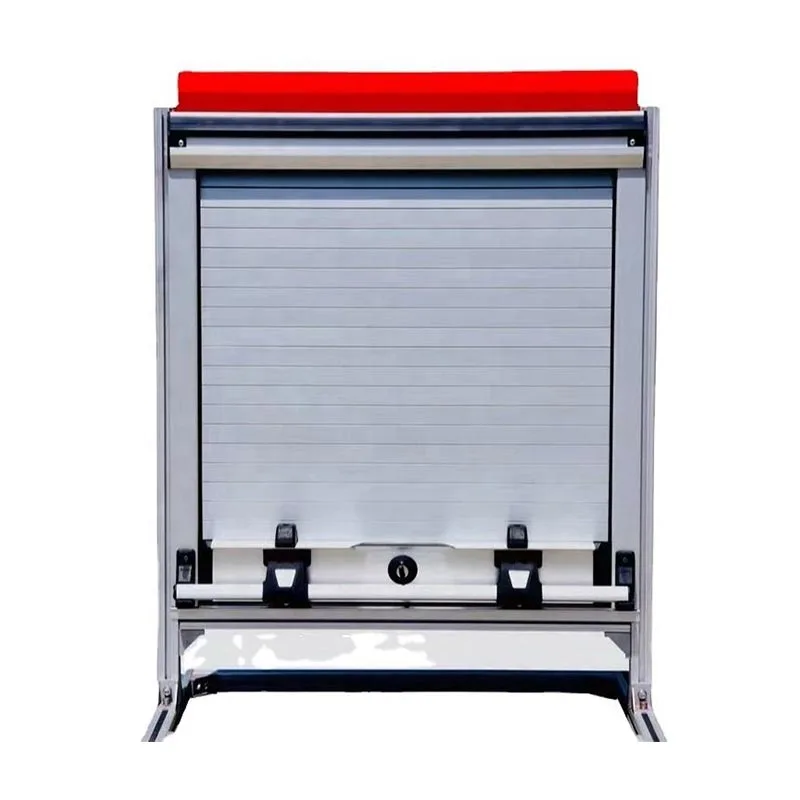
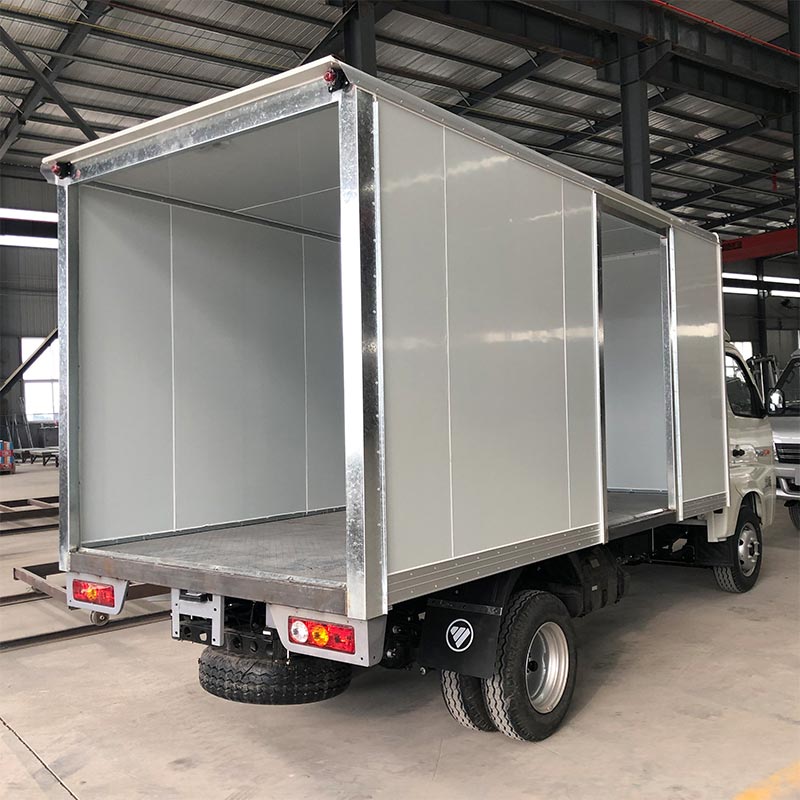
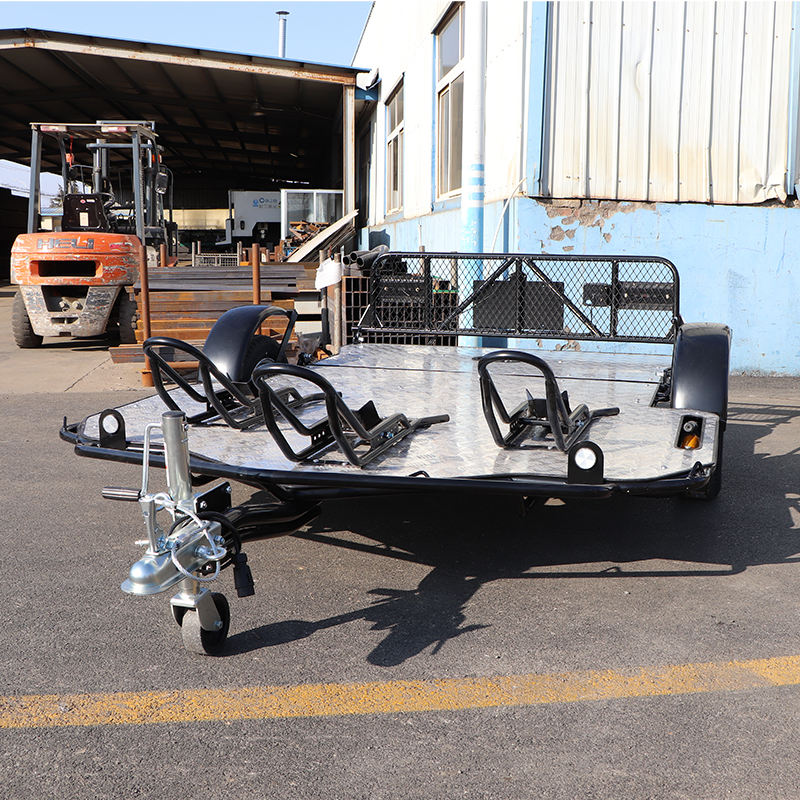
Founded in 2016 and headquartered in the Liangjiang New Area Industrial Park in Chongqing, with a production base in Qingdao, WholeChainTech designs and manufactures truck box bodies, dry van bodies, multi-purpose and custom bodies, and multi-application trailers including flatbed and hydraulic lift trailers, together with core modification components. The company combines in-house research and development, panel and body production, and export documentation, and supplies complete vehicle solutions to customers worldwide.
Figures cited reflect the incentive framework presented in November 2026 and are subject to change under subsequent budget measures. This release describes the company's assessment of information presented at a public investment forum in Chongqing on 12 November 2026. Incentive eligibility, tariff classification and duty treatment are determined by the relevant authorities and by the terms of any investment agreement; none of it is automatic. No investment decision has been made.