News

Hydraulic Lift Trailer Operation Guide: Standard Steps to Cut Safety Risks & Extend Service Life by 30%

2026-05-14 0 Leave me a message

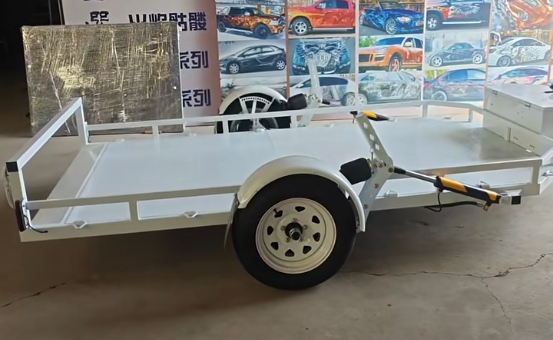
According to the latest 2026 data from the U.S. Occupational Safety and Health Administration (OSHA), workplace injuries caused by improper hydraulic lift trailer operation have risen 19% year-over-year globally, with 82% of incidents traced to non-standard operation procedures. The average cost per incident totals $32,000 including equipment damage, downtime, medical fees, and regulatory fines. In response to this rising risk, the Global Heavy Equipment Safety Association has released an updated official standard operation guide for hydraulic lift trailers, designed to help operators reduce accident risks and extend equipment service life by an estimated 30%.


“Hydraulic lift trailers are often viewed as simple, low-maintenance equipment, which leads many operators to skip critical safety checks and follow informal operation habits,” said Mark Harrison, senior safety consultant at Global Heavy Equipment Insights. “Following standardized operation steps cuts preventable accident rates by 90% and extends average trailer service life from 6 years to 8 years, delivering significant long-term cost savings for fleet operators.”

Official Standard Hydraulic Lift Trailer Operation Steps

1. Pre-Operation Safety Inspection (5-minute check before each use).

·Confirm tire pressure meets manufacturer specifications, and inspect tires and axle components for visible cracks, wear, or damage


·Check the hydraulic system for visible oil leaks, and confirm hydraulic oil levels are within the recommended range marked on the reservoir


·Test the safety lock mechanism to ensure it engages automatically when the lift bed is raised or lowered


·Clear all obstacles within a 3-meter radius of the trailer to avoid collision during lifting or lowering operations

2. Loading & Unloading Operation

Park the trailer on a flat, hard, level surface (maximum slope of 5 degrees or less), engage the towing vehicle’s handbrake fully, and place wheel chocks behind the towing vehicle tires to prevent unintended movement


·Operate the hydraulic control lever to lower the trailer bed completely to ground level, wait for the automatic safety lock to click into place before approaching the bed to load or unload cargo


·Distribute load weight evenly across the bed, keeping the center of gravity as low as possible, and secure all cargo with heavy-duty straps or chains before lifting the bed


·Operate the hydraulic lever to raise the bed to the standard transport height, confirm the safety lock is fully engaged, and double-check that all cargo is secured before moving the trailer

3. Transit Operation

·Confirm the trailer hitch is fully locked to the towing vehicle, and that all safety chains and electrical connections for brake and turn signal lights are properly attached and functional


·Never exceed the trailer’s rated load capacity under any circumstances, even for short-distance transport


·Adjust driving speed to match road conditions, avoiding sudden braking or sharp turns that could cause cargo to shift or the trailer to roll over


·For long-distance transport, stop every 2 hours to inspect cargo security, hitch connection status, and the hydraulic system for any signs of leaks or damage

4. Post-Use Storage & Maintenance

·Unload all cargo from the trailer bed after use, and lower the bed completely to the lowest position to reduce long-term pressure on the hydraulic system during storage


·Park the trailer in a dry, well-ventilated area, away from prolonged exposure to direct sunlight, heavy rain, or corrosive chemical substances


·Perform a full monthly maintenance check: replace hydraulic oil every 12 months, inspect all moving parts for wear, and tighten loose bolts as needed to prevent component failure


The Global Heavy Equipment Safety Association also highlighted four common high-risk operation mistakes that account for 70% of all hydraulic trailer incidents, which operators should avoid at all times: overloading the trailer beyond its rated capacity, raising or lowering the bed on sloped ground, driving with the bed raised above standard transport height, and skipping regular scheduled maintenance.

Modern CE and DOT-certified hydraulic lift trailers include built-in safety features such as automatic safety locks and hydraulic overload protection, which reduce human error risk by 60%, but these features only function correctly when operators follow standard operation procedures. For businesses purchasing new hydraulic lift trailers, the association recommends prioritizing certified models with these built-in safety features to minimize operational risk.

Related News
Leave me a message
X
We use cookies to offer you a better browsing experience, analyze site traffic and personalize content. By using this site, you agree to our use of cookies. Privacy Policy
Reject Accept