Whatsapp
A trailer that cannot be repaired cannot earn. Export buyers compare purchase prices first, and the comparison that decides profitability arrives eighteen months later, when a worn bearing or a burst hydraulic hose takes the unit out of service and the replacement part has to clear customs. Spare-part availability belongs in the purchase decision, not in the maintenance budget.
Downtime is the cost that never appears on the quotation
A stopped trailer still carries finance cost, insurance and driver cost, and still misses the revenue the unit was bought to generate. On a working trailer the purchase price is paid once; downtime is paid every time a part is missing from local stock. Buyers in markets far from the manufacturing base therefore judge a supplier on two questions that never appear in a specification sheet: which parts are standard, and how quickly a replacement reaches the yard.
Three part groups decide whether a trailer stays serviceable
Tires and wheels come first. A trailer specified with a common size such as LT245/75R16 accepts tires from local distributors, and a damaged wheel does not ground the unit for a month. Bearings, brake components and suspension parts come second, because these wear on every trip and are the parts most often replaced on a working fleet. Hydraulic components come third, and on lifting equipment these decide whether the deck moves at all.
Parts built to a proprietary specification force the buyer into a single supply channel, with one price and one lead time. Parts built to standard market models let the buyer source locally, compare suppliers and keep a small stock on the shelf. The difference does not show up in the quotation. The difference shows up in the third year of operation.
Batteries, and other items that cannot travel by sea
Battery-powered equipment carries a shipping complication that catches importers at the booking stage. Lead-acid batteries fall under dangerous-goods handling requirements, and a unit shipped with a battery inside adds documentation, packaging cost and port delay. Trailers designed for export accept a standard market battery sourced in the destination country, which removes the shipping restriction and gives the buyer a locally replaceable item.
The same logic applies to any consumable or wear part with transport restrictions. A supplier that designs around local sourcing removes a recurring problem from the buyer's operation.
Four questions to ask before signing
A supplier that answers these four questions in writing is easier to run a fleet with than a supplier that offers the lowest price and the shortest catalogue.
How WholeChainTech specifies serviceability
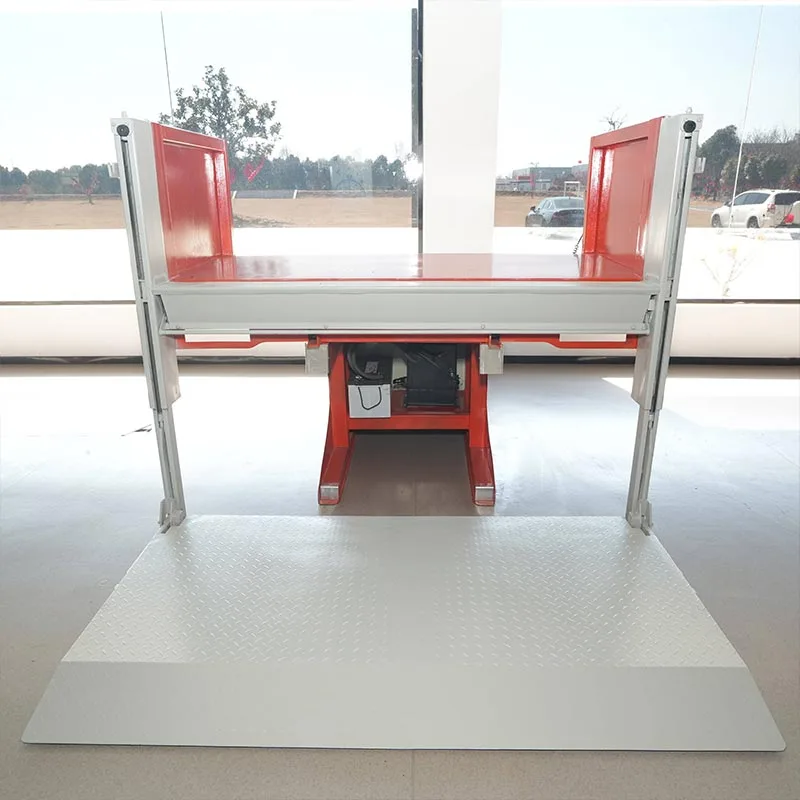
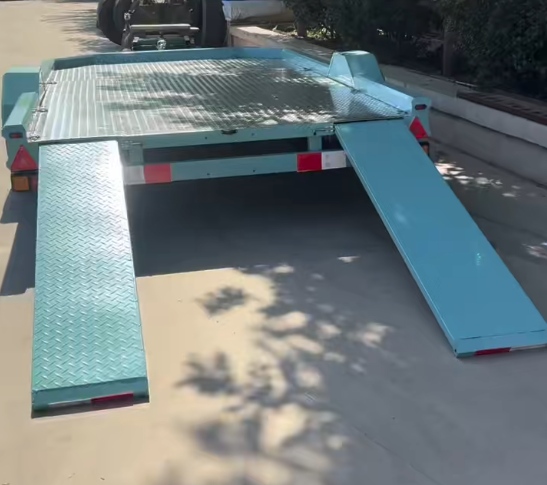
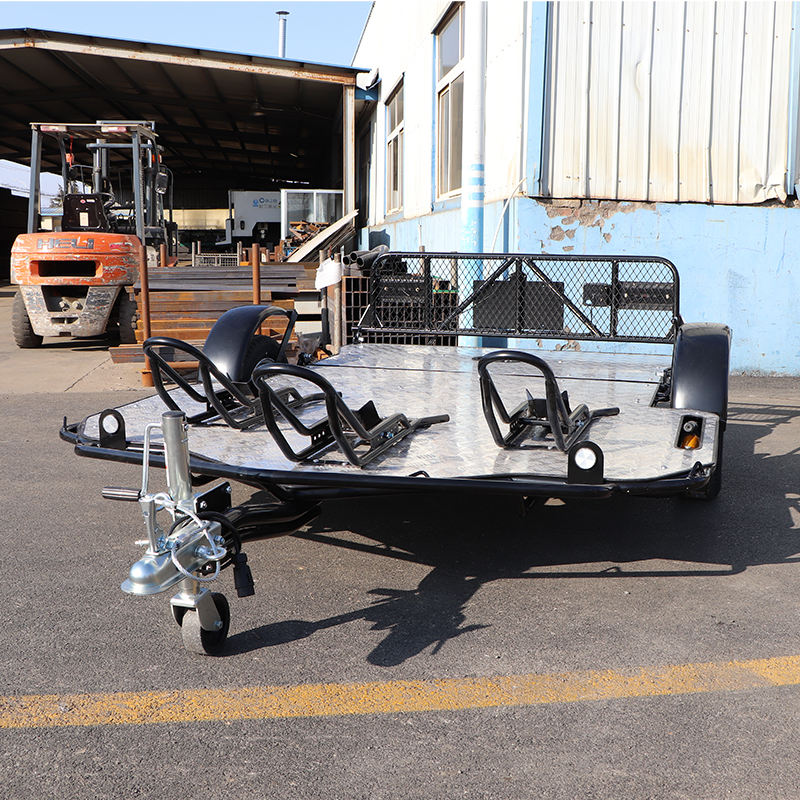
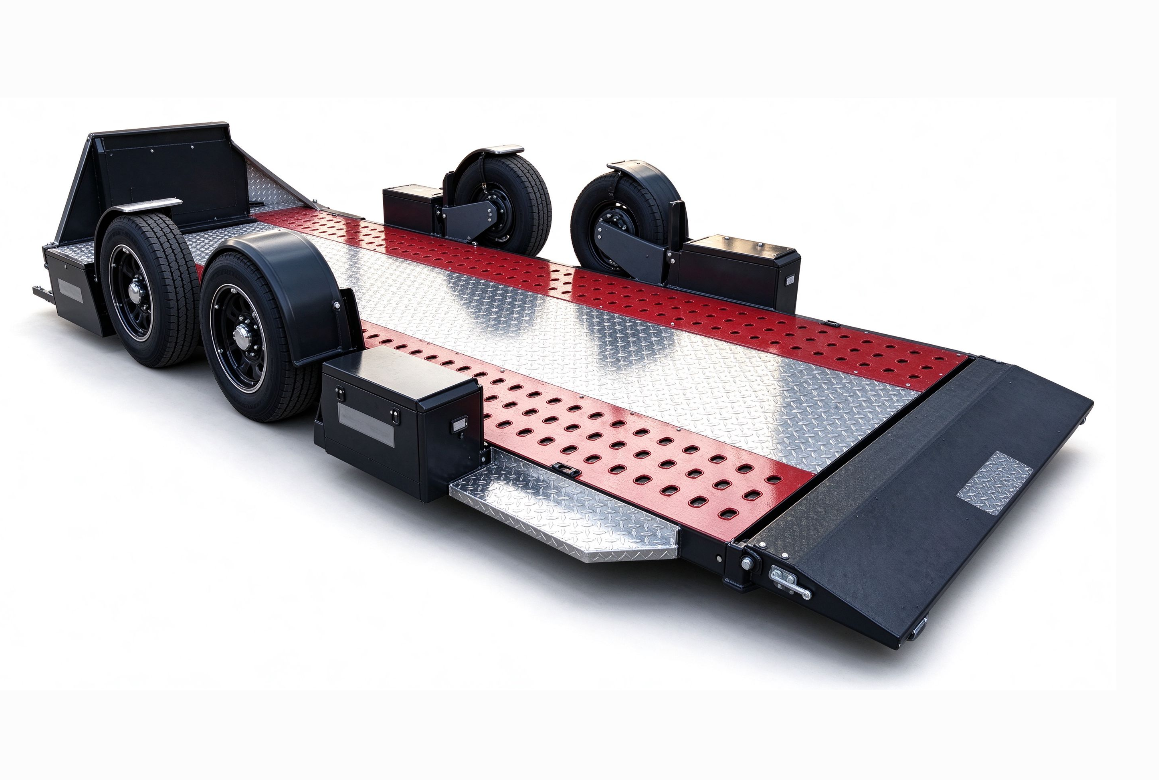
WholeChainTech builds flatbed trailers and hydraulic lift trailers with standard market tires, bearings and hydraulic components, and specifies export units to accept a locally sourced 12V battery. The tandem-axle hydraulic lift trailer runs on LT245/75R16 tires and four-wheel independent suspension, which keeps common wear parts available from local distributors in most export markets.
Standard parts do not reduce the engineering content of a trailer. Standard parts reduce the cost of owning one. Buyers comparing quotations across suppliers can use the four questions above as a filter, and the answers separate a low price from a low cost.
About Chongqing Wholechaintech Automotive Components Co., Ltd.
Founded in 2016 and based in the Liangjiang New Area industrial park in Chongqing, WholeChainTech designs, manufactures and services truck bodies, multi-purpose trailers and core modification components. The company combines research and development, production and system integration to deliver complete vehicle solutions to customers at home and abroad.
Part availability and lead times vary by market and by configuration. Confirm the parts list, the recommended stock items and the replacement lead time at quotation.